
I Ran Into The Devil, Babe, He Loaned Me Twenty Bills
Spent the night in Utah, in a cave up in the hills

Lately, I have written about some of the Nazi propaganda that’s come over my table, over the last 9 months. Most of the time, you’ll see Nazi propaganda take the form of books, many with photos and written text. The Nazi’s owned several printing houses, and ran perhaps a dozen newspapers and weekly periodicals, printed on pulp; all of them sending out a constant stream of positive reinforcement of how wonderful National Socialism was, and how marvelous it was that the German people had the, Nationalsozialistische Deutsche Arbeiterpartei!
While the superiority of everything German was the foremost message of the propaganda, text and photographs were not always the chosen method of delivery, sometimes, art carried the weight.
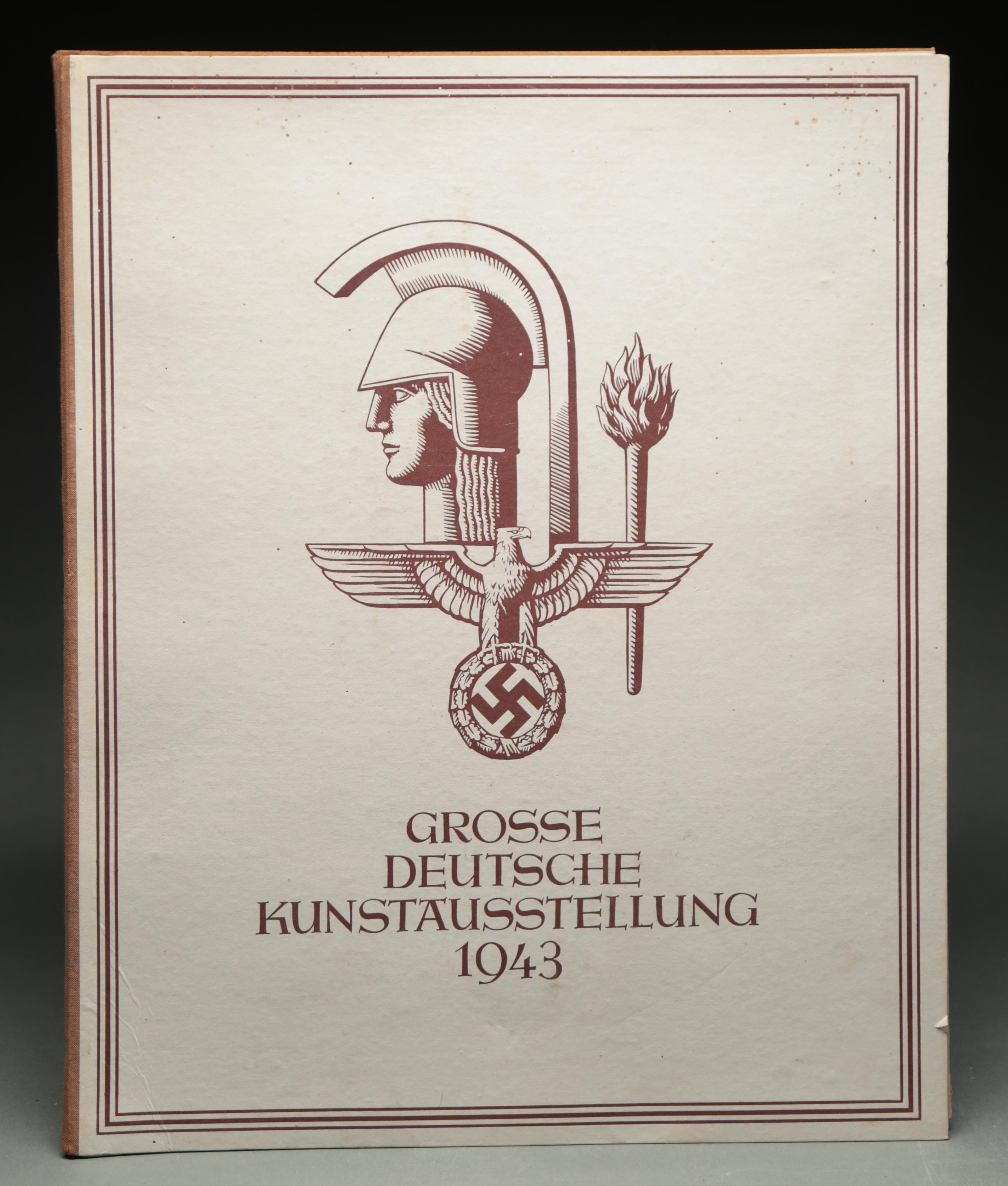
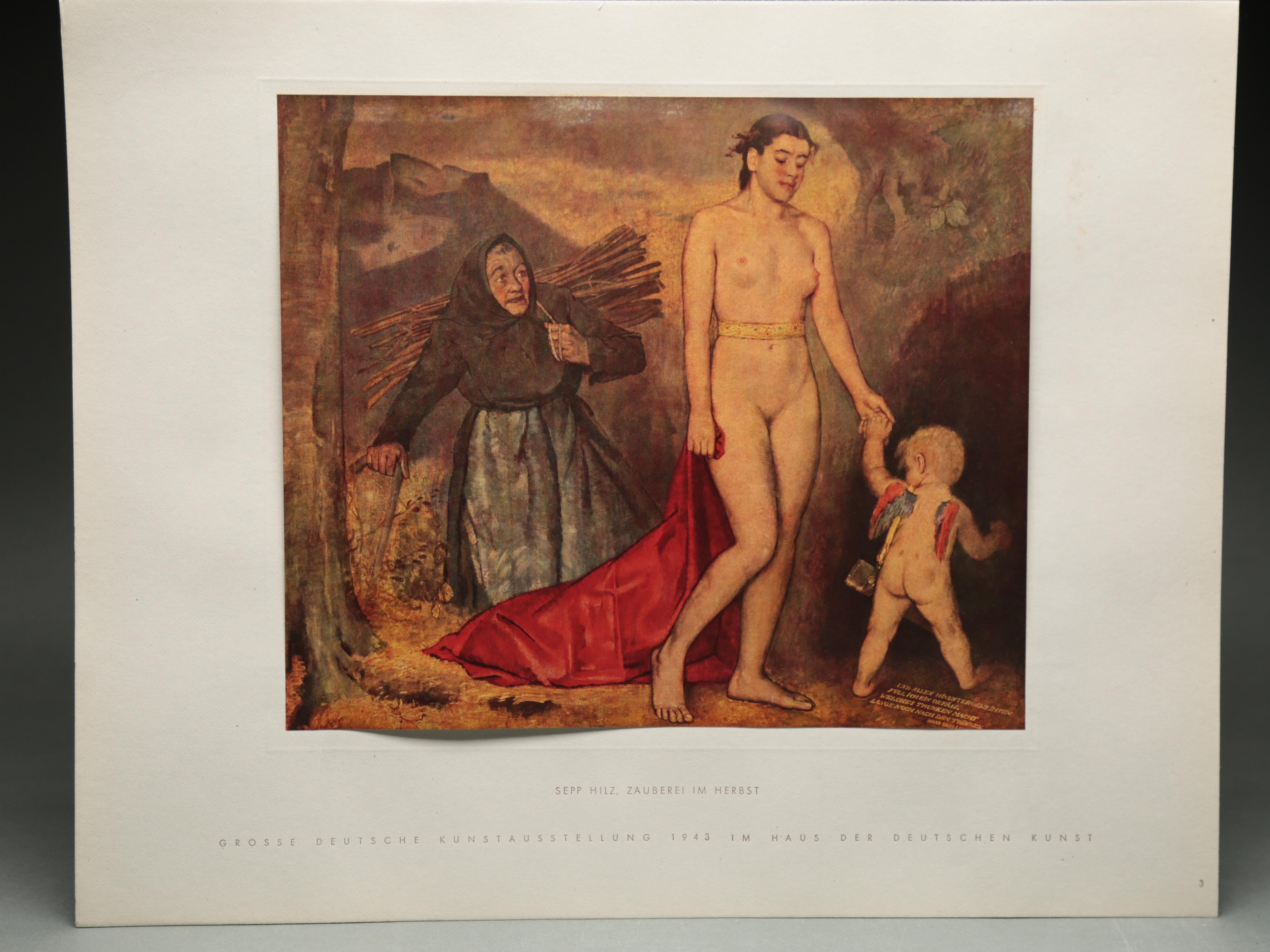
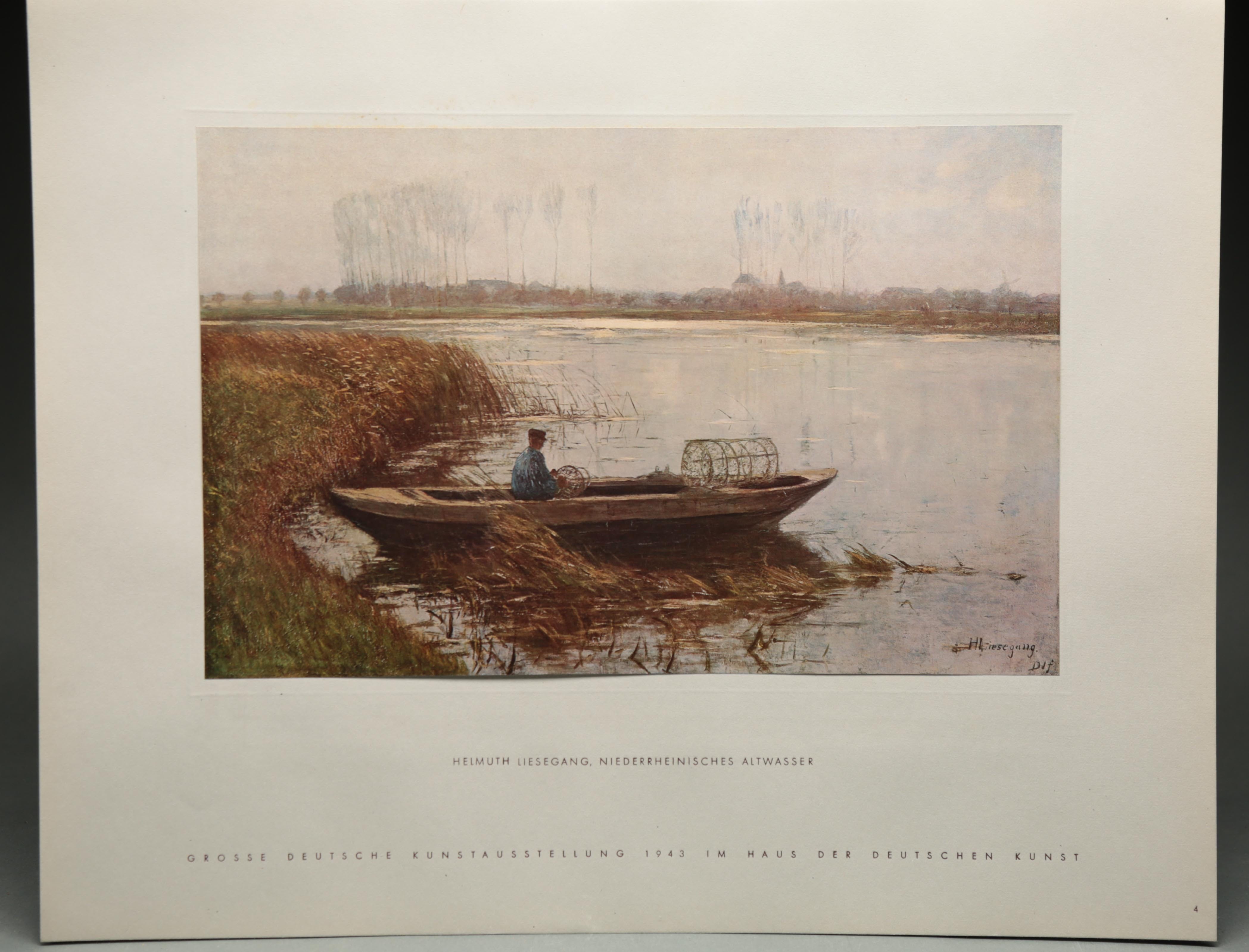
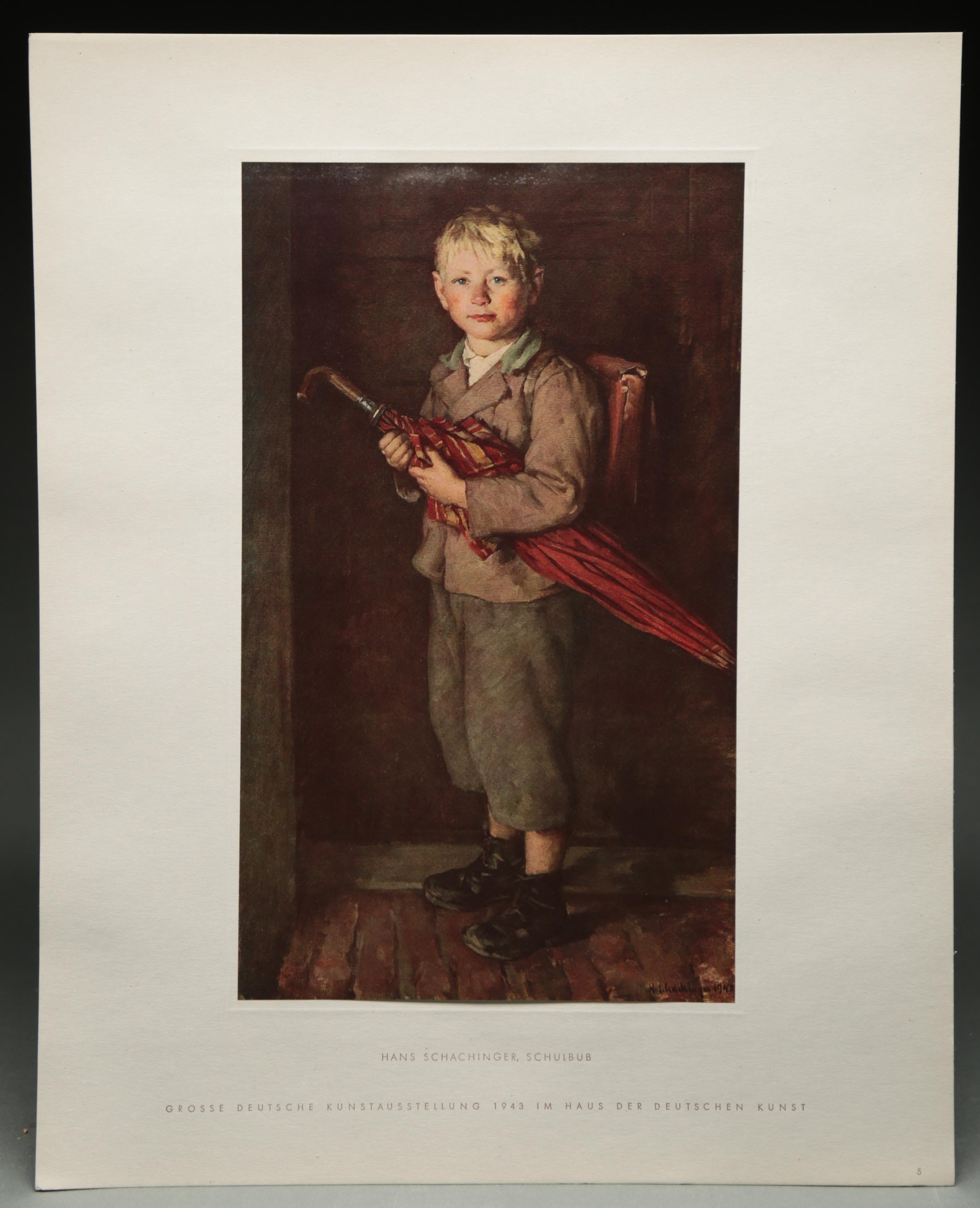
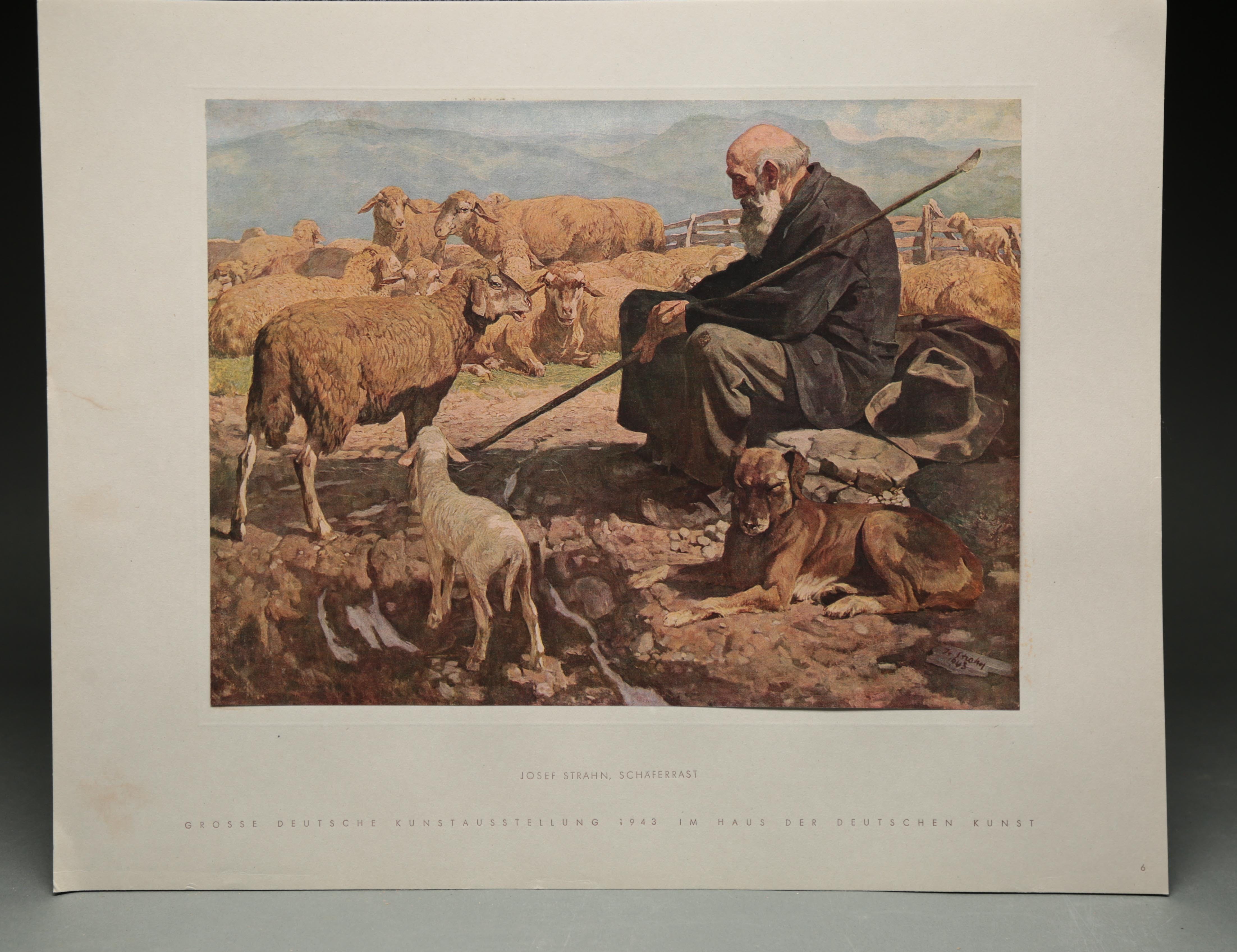
This, is the 1943 edition of an art portfolio that was published every year, from 1937 to 1944. There are 20 beautiful, printed plates of artwork that was exhibited in the, Haus Der Deutschen Kunst, in Munich. The title of the book, refers to the annual art exhibit that took place at the Haus Der Deutschen Kunst. The 20 plates are a curated selection from the entire exhibit.
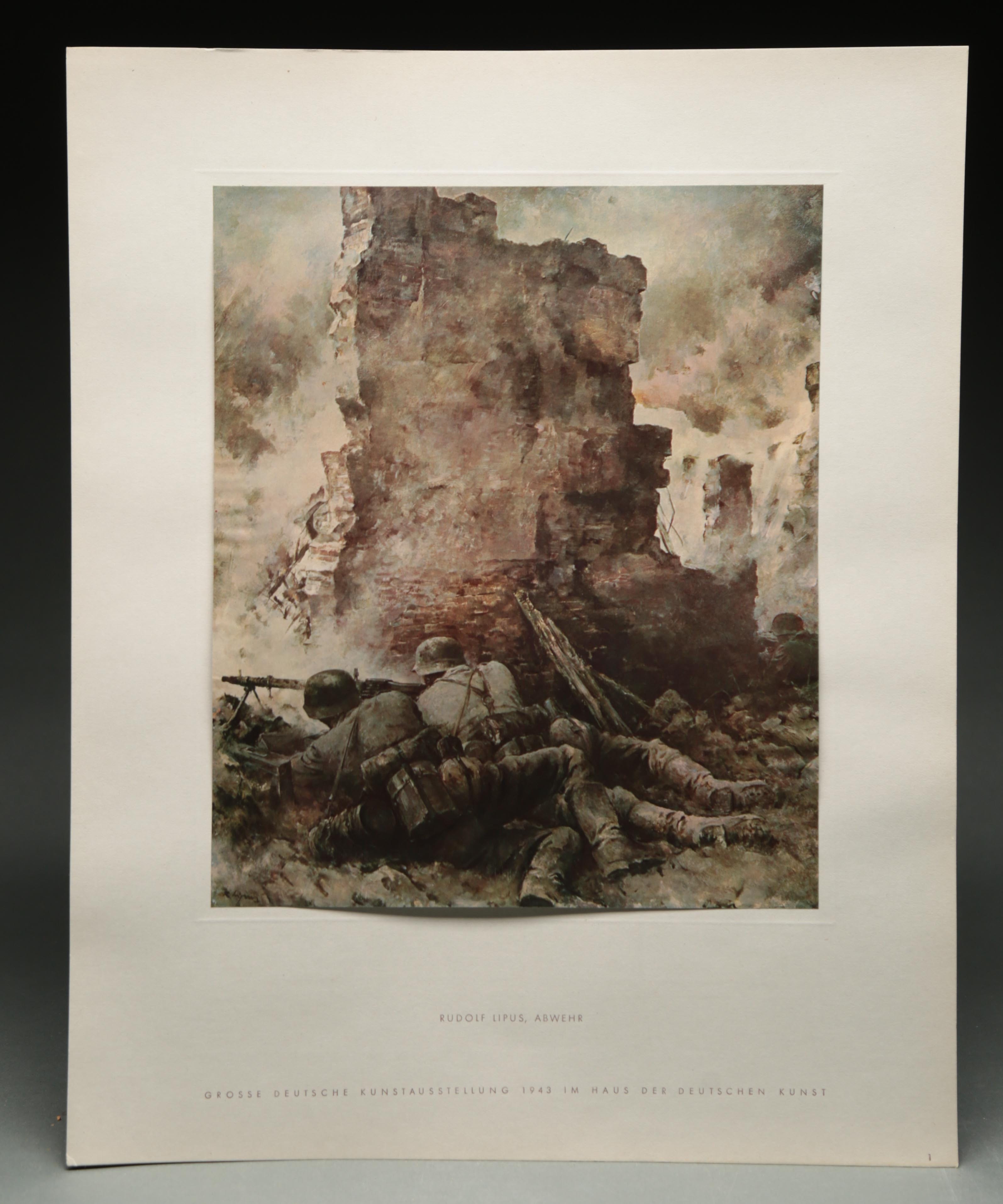


This portfolio is pure Nazi propaganda.
The Nazi’s loved art, especially art that allowed them to cloak themselves in the aura of classicism. The Nazi’s went so far as to confiscate art that they considered too modern, art that didn’t serves the needs of the Reich. They even built an immense gallery to showcase their favored art, the aforementioned, Haus Der Deutschen Kunst.


The Haus Der Deutschen Kunst, was designed by an architect named, Paul Troost. Paul Troost, was one of Hitler’s favored architects, because Troost understood what Hitler was after. Hitler, wanted Germans to be awed by the size of the building, and feel a sense of grandeur when walking up the front steps.
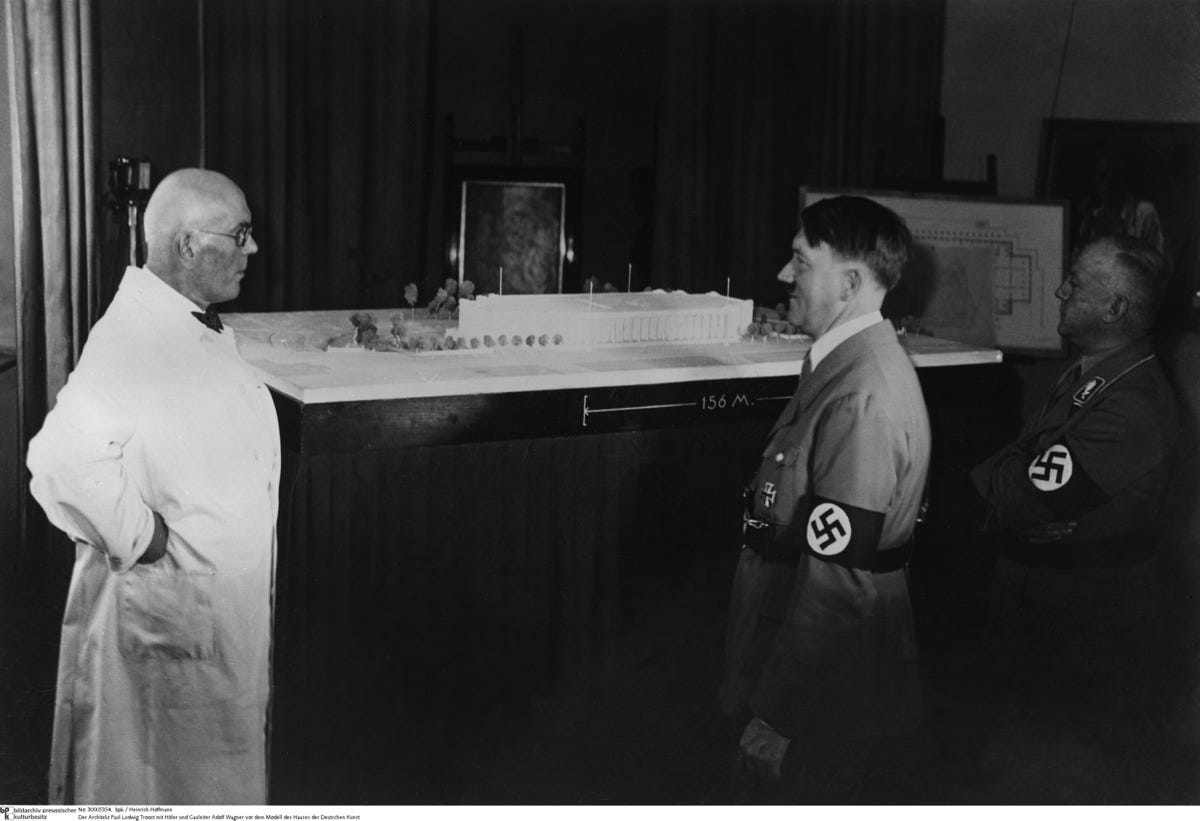
Ground was broken for the Haus Der Deutschen Kunst, in October, of 1933 - 9 months after Hitler became the Reichskanzler. It seems that this national art gallery was the first major building project of the Third Reich. This building was so important to Hitler’s ideas for promoting the Third Reich, that it was the starting point of his grand scheme for a rebuilt Germany.


I saw the Haus Der Deutschen Kunst, described as an example of “Totalitarian Classicism”, with the description implying a Brutalist esthetic. I suppose that the difference between Totalitarian Classicism, and plain old Classicism, would be the lack of any flourish on the typical Nazi palace. The Haus Der Deutschen Kunst, was big, bold, square, and classic, but I would not lump it in with the extreme Brutalist designs that permeated the Mussolini regime; I doubt that Hitler, and Le Corbusier, would have seen eye to eye regarding design.


Construction on the Haus Der Deutschen Kunst, lasted until 1937, and an exhibition of proper German art was immediately arranged. The man who arranged the first Grosse Deutsche Kunstausstellung, was a favored German artist, Adolph Ziegler.


Ziegler, not only arranged for the Grosse Deutsche Kunstausstellung, but he also arranged for a sort of companion exhibit of art that was not favored. That exhibit was a few blocks away and was titled, Ausstellung Entartete Kunst. I believe that “Entartete Kunst” means degenerate art, so, an Exhibit of Degenerate Art. If you can name any of the 20th Century line of art movements that end with a suffix of, -ism, then you can imagine the type of art that made into this alternate exhibition. I am sure that a banana, taped to a white wall, would have made the cut


The artist who had the honor of having his work be the cover photo for the exhibition of degenerate art was, Otto Freundlich. Otto, was born in a province of Prussia, in 1878. In the early part of the 20th Century, before WWI, Otto moved to Paris and became, wait for it… an artiste! Shocking, but true. He dabbled in several mediums, with Cubism, being his most common motif. In 1912, in Hamburg, Germany, Freundlich created a Primitavist\Cubist sculpture called, Der Neue Mensch. It had been on display, in Germany, until the Nazi’s came to power, it was then withdrawn. As mentioned, it became the cover for the Ausstellung Entartete Kunst.
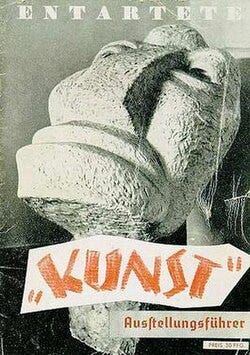
Being disfavored, Otto, and his wife, fled to the Pyrenees, and wound up captured in Vichy, France. Pablo Picasso, got them released (briefly), but, in 1943, Otto was deported to the Majdanek concentration camp, in Poland, and was executed upon his arrival.
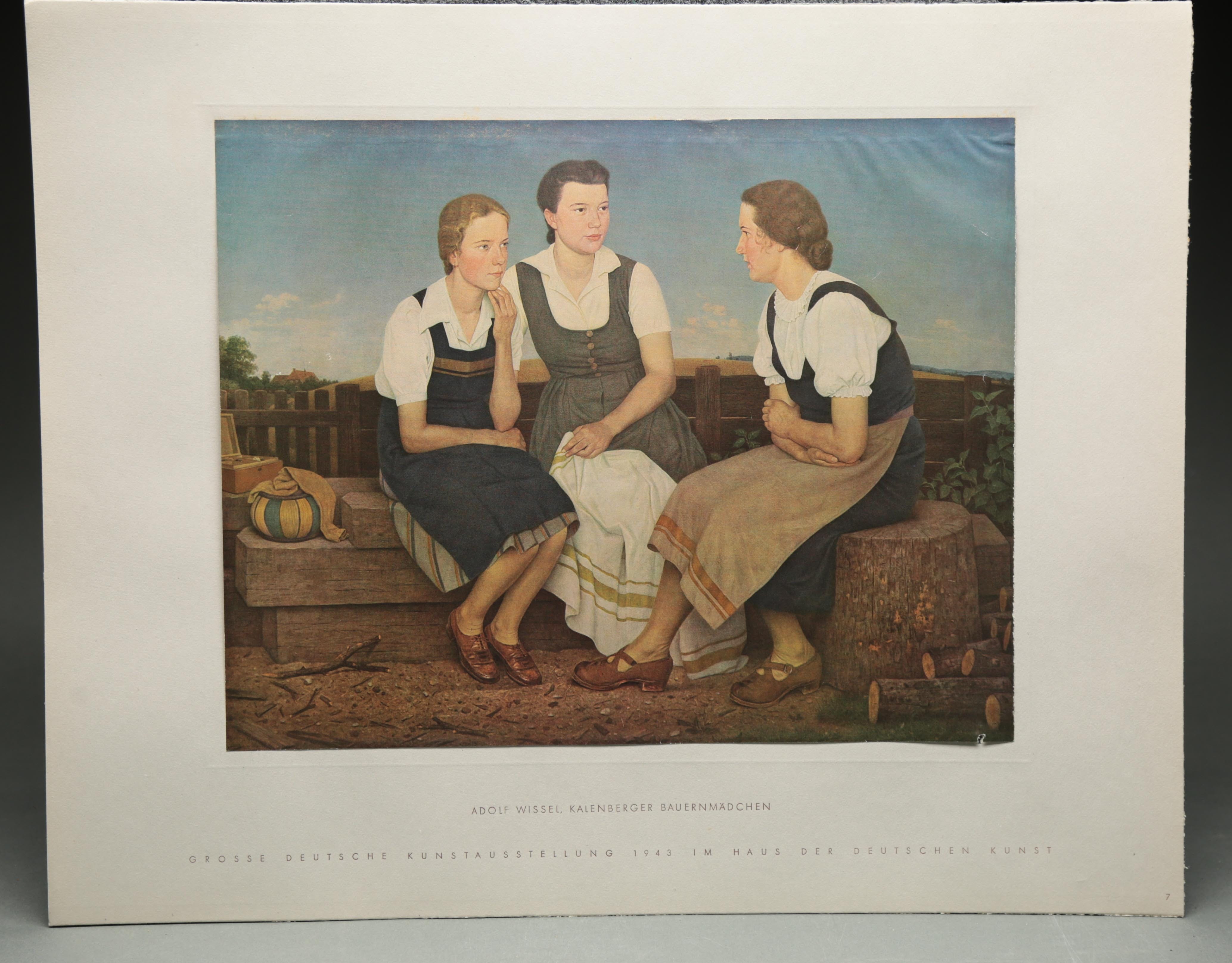


The Nazi’s, looked at modern art as rotten stuff, because it did not fit the mould that they felt was acceptable. They wanted art that showed the nobility of man, the glory of work (especially for the glory of the Reich), the classic, idealized beauty of the woman who was unsullied. Modern art could not provide that esthetic, so it had to go, and be discredited as they threw it in the dustbin.
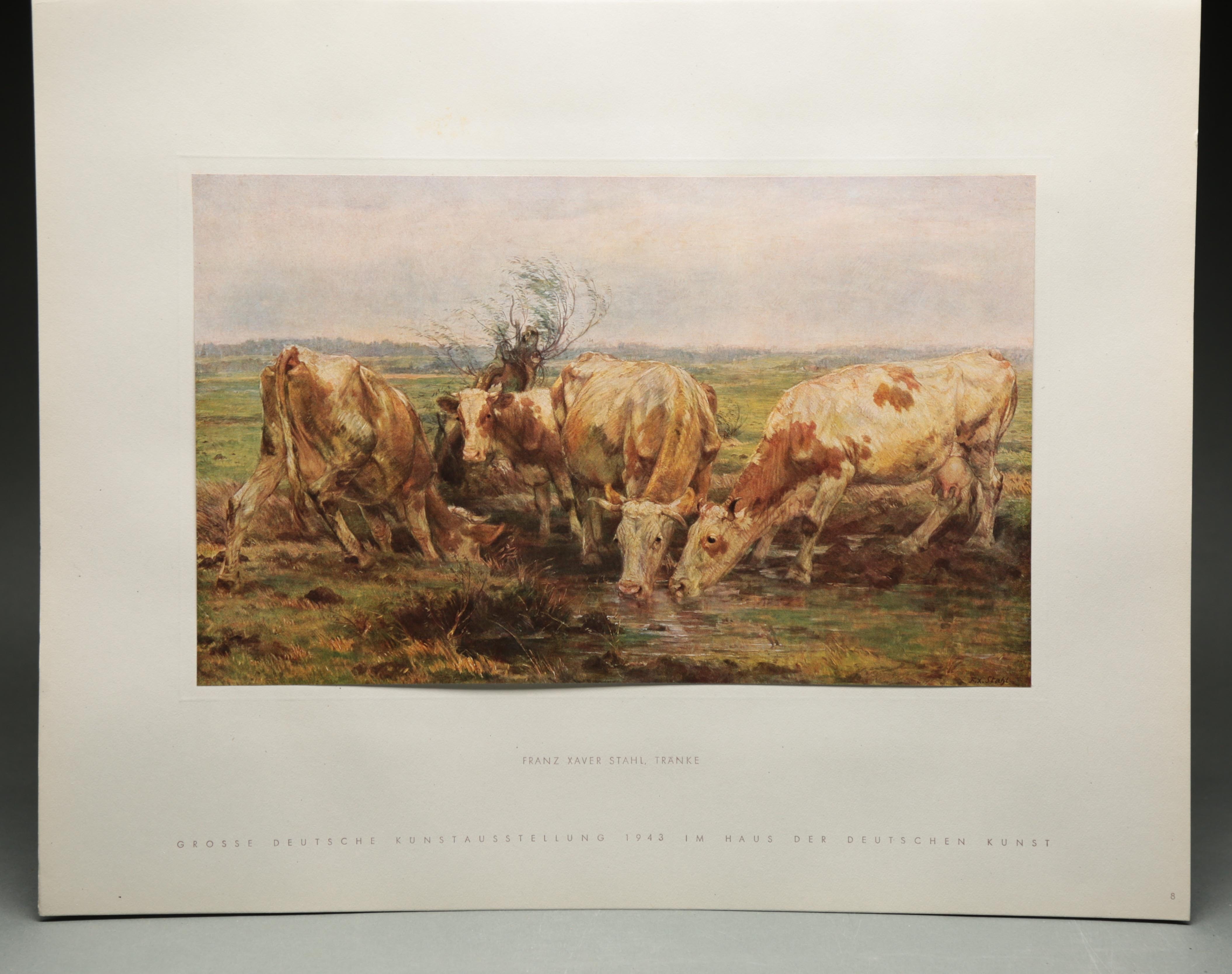


We can understand why the Nazi’s placed such an emphasis on classical art, and tried to stigmatize modern art: modern art is messy, and asks too many questions. The Nazi’s were orderly, and they hated answering questions, they wanted obedience.
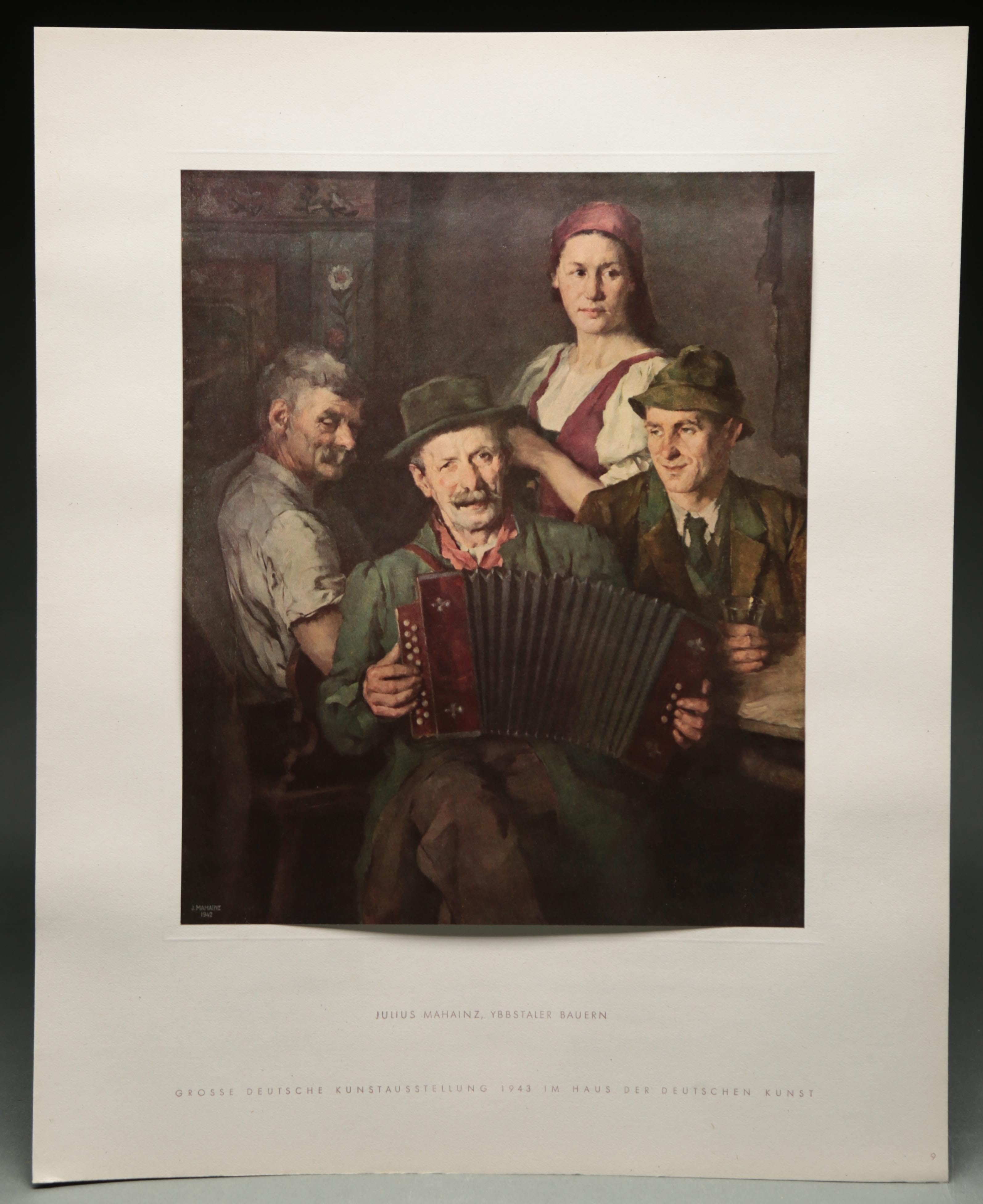


The Nazi’s understood the power of visual arts to shape public opinion, and build a (collective) consensus. Classic art is both romantic, and it has romance; it is easy to look at, and easy to understand; it deals with eternal themes that the viewer wants to see in themselves. Most importantly, classical art looks to the past and not the future. This is a key difference.
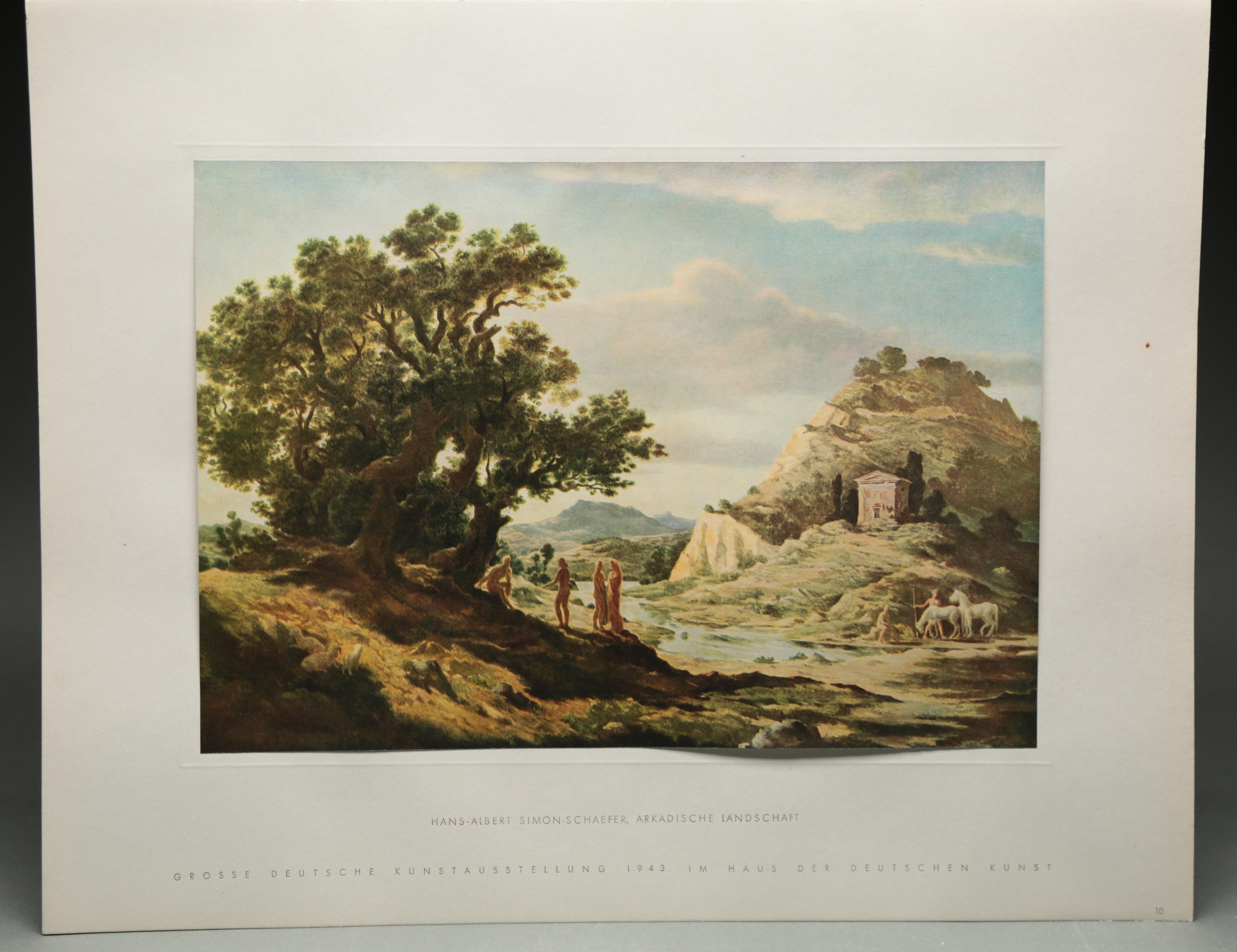


Think of the Nazi’s emphasis on classical art as a “classic” magician’s misdirection.
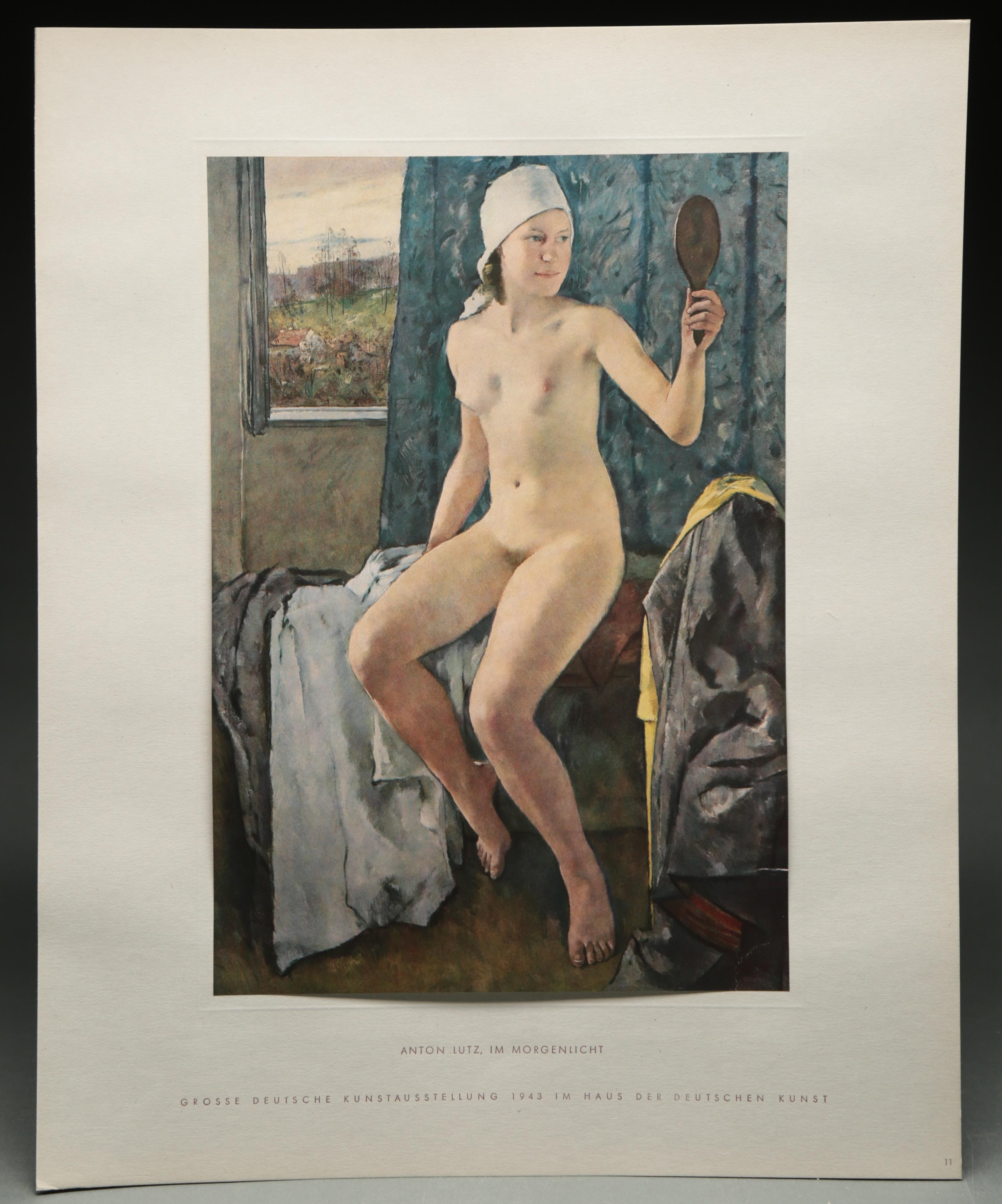


Classical art is comforting and modern art is challenging. Classical art shows you what you want to see, modern art strips away all pretense. Classical art allows you to dream of a better age, and modern art, rudely, slaps you out of the dream. No wonder the Nazi’s wanted to get rid of modern art/artists.
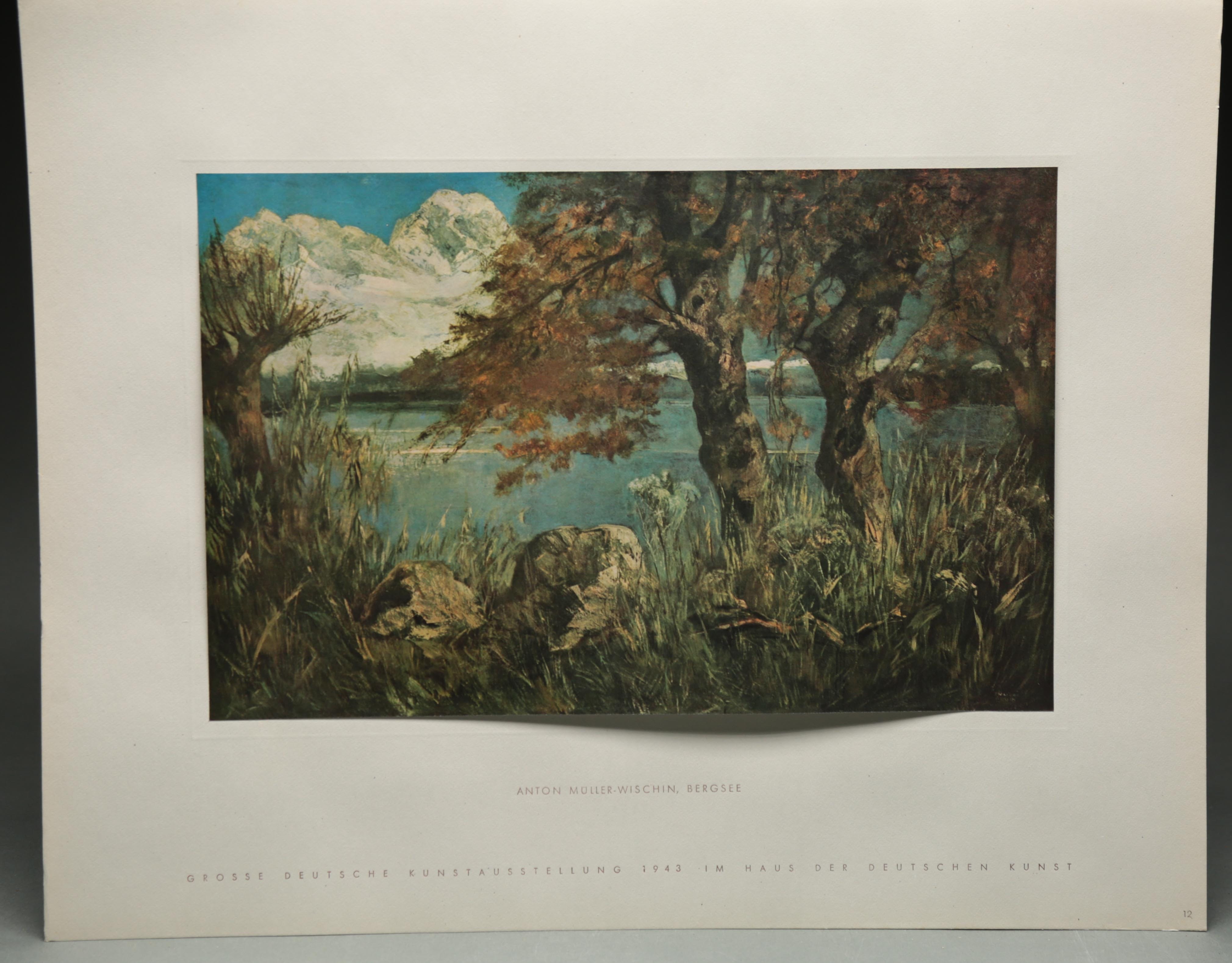


The Nazi’s, even went so far as to create a cadre of “Approved” people, who would help spread the nazi propaganda, artistically. There was even a list made of these approved people, it was called the Gottbegnadeten-Liste. Translated, that is, “List of God’s Blessings”! No pressure, eh?
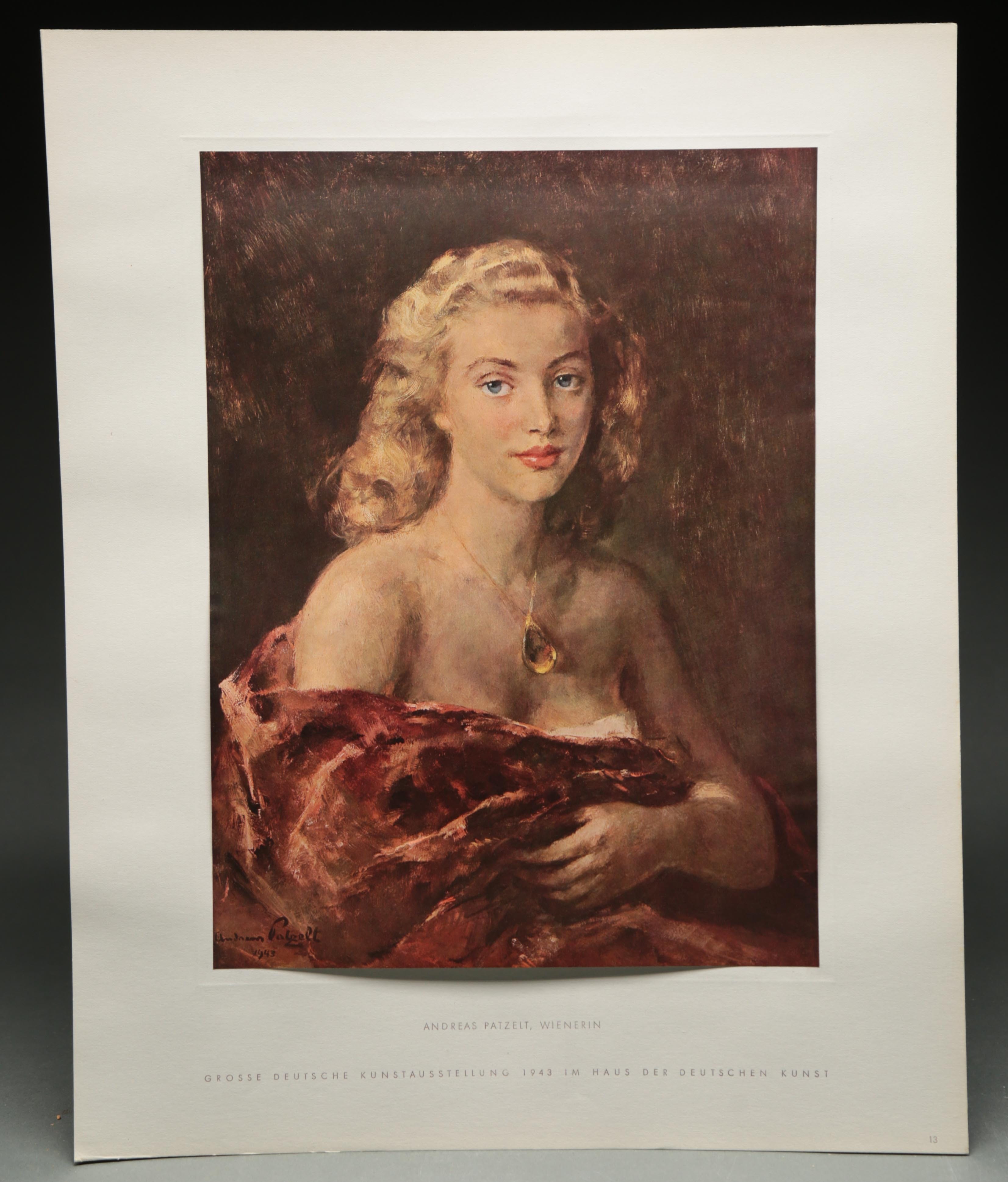


Now, the people who were on the, Gottbegnadeten-Liste, ran the gamut from, artists (of all sorts), writers, poets, intellectuals, craftsmen, pretty much anyone who could help push the propaganda in a way that put the best light on the Nazi party. I am not certain if the people on the list were given a stipend, but they were exempt from service in the Wehrmacht, so that was absolutely valuable. One of the artists in this portfolio is a Blessing From God, though I cannot remember his name, at the moment.
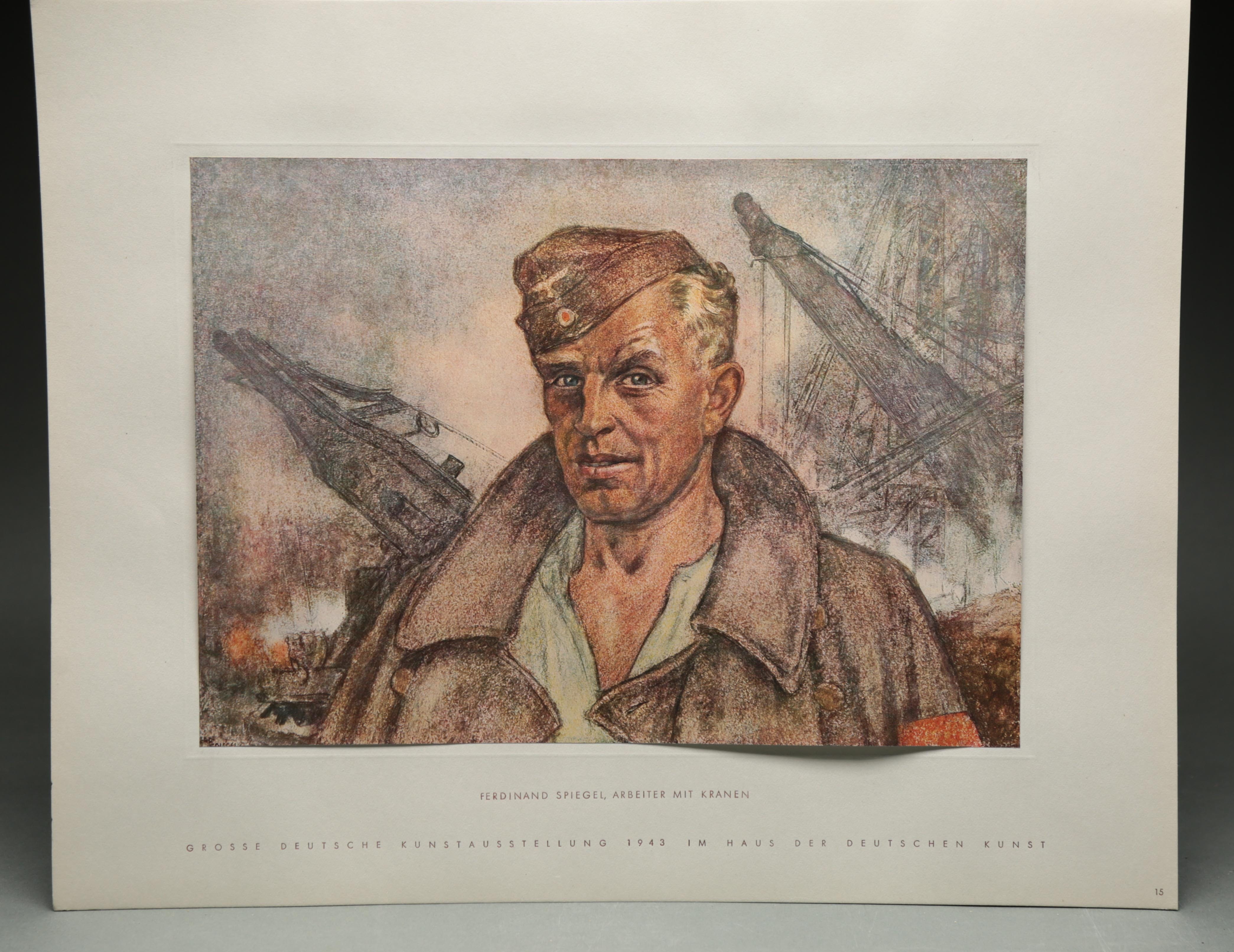


The Grosse Deutsche Kunstausstellung, was an annual exhibit, from 1937 - 1944, and each year they published this, “Best Of” portfolio. This yearly portfolio was published by Heinrich Hoffmann, better known as, Hitler’s photographer. Hoffmann, was instrumental in selling Hitler, through his photography, and I can’t imagine that he didn’t have a piece of paper in his pocket that named him as a, blessing from God.
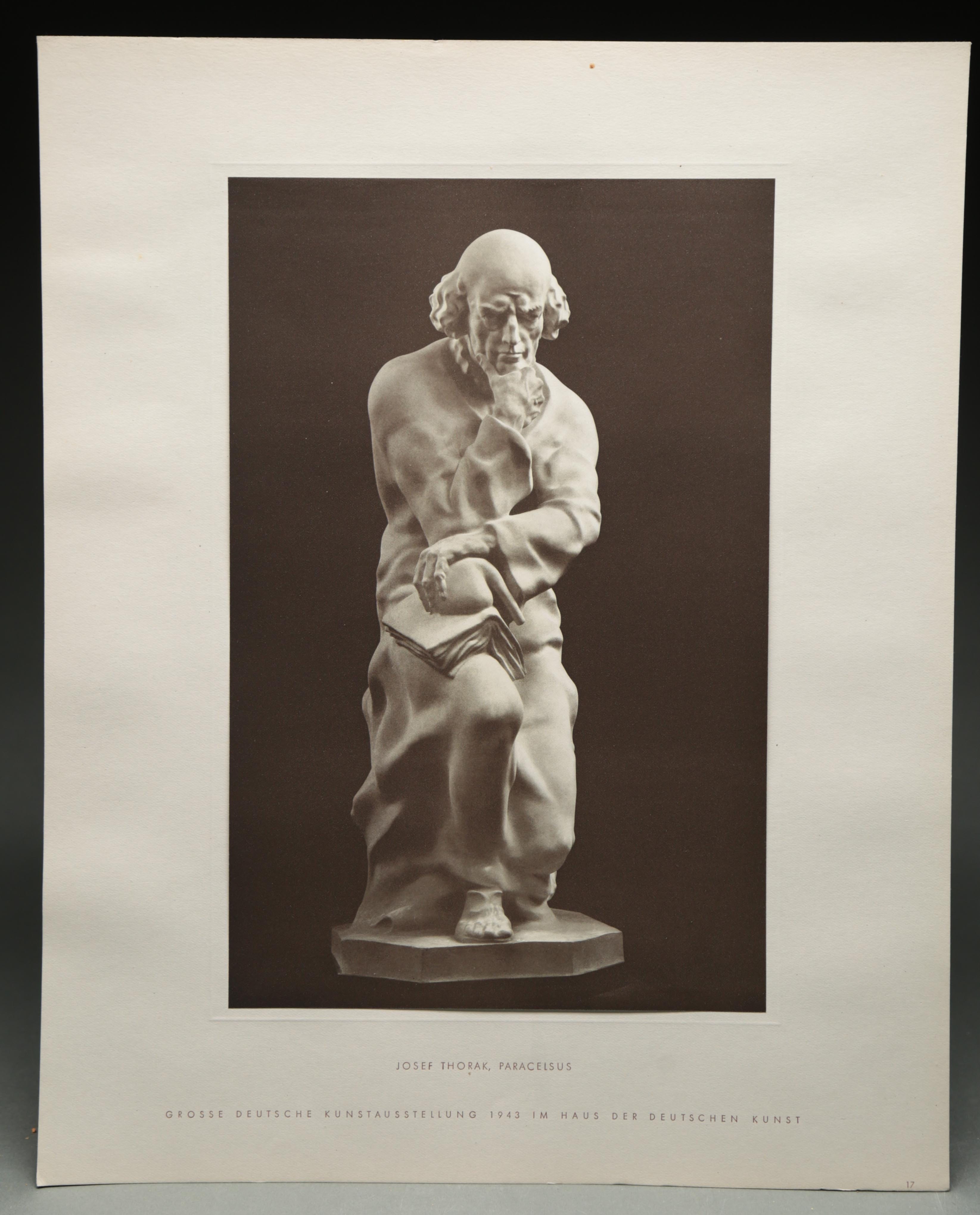


Heinrich Hoffmann, made a bundle of money because of his association with Hitler. Not only was Hoffmann a good photographer, able to get just the right propaganda shot, but he was a genius at marketing and licensing his images. Hoffman, also wrote, and published, several books about Hitler - both before the war and even before his rise to power - crafting Hitler’s public image. We have most, if not all of those books in the collection, and most likely, I will write about Hoffmann and those books, soon. As I understand it, he made several million dollars selling Hitler, but lost it all at the end of the war, he was tried at Nurnberg, and convicted of war-profiteering.
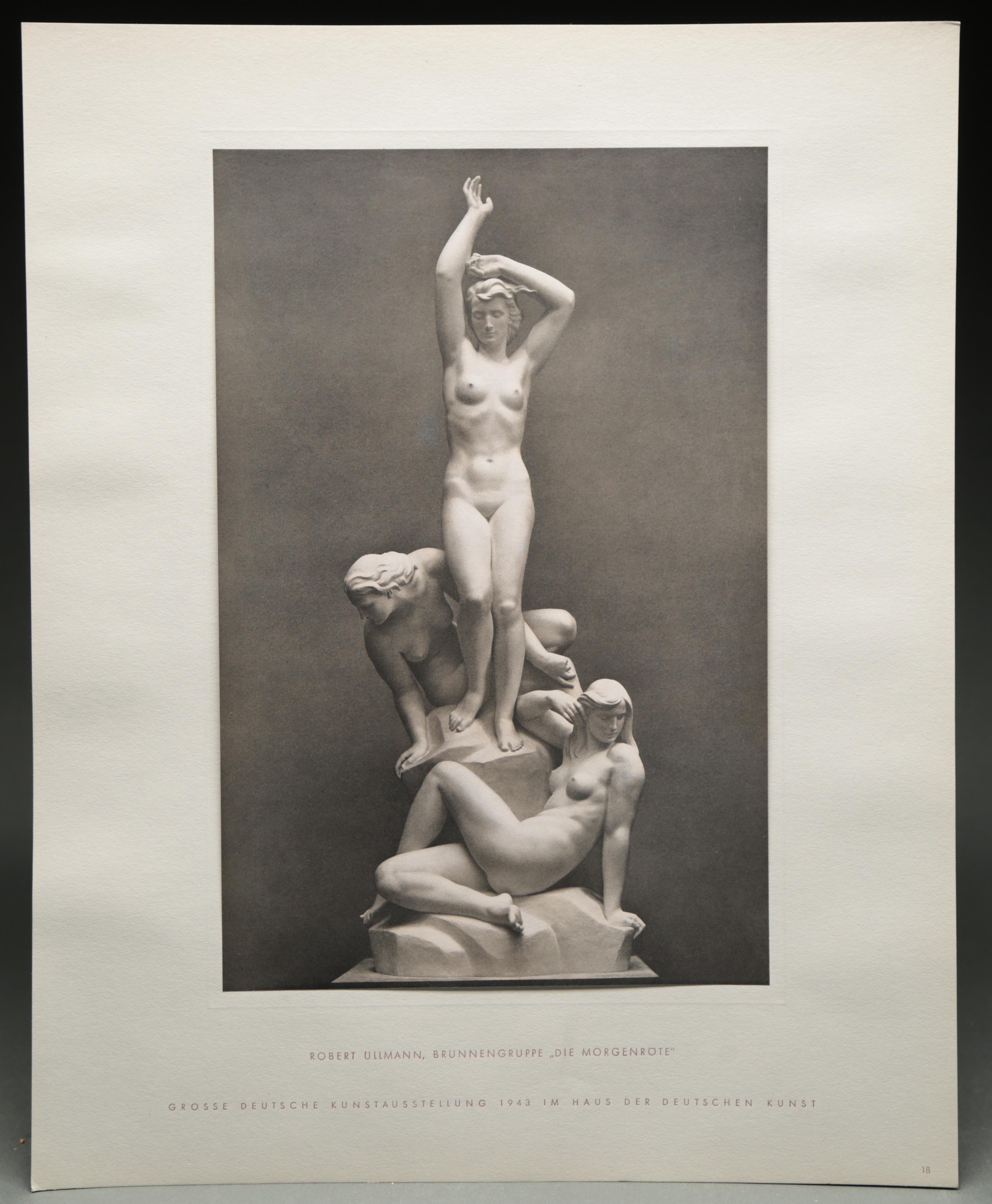


These art exhibitions, and the portfolios released, are pure propaganda. Not so much because of the art itself, or the artist who created it, but because of the ways that the Nazi’s used art to serve their porpoises. It would be interesting to go back in time, travel to these exhibits and talk with the people in the galleries, probing them as to their perspective of the art, and ask if, or how, the exhibit influenced their view of the Nazi party.
Anyone there would instantly know that I was an American tourist, so I am wondering what they might say to the foreigner?
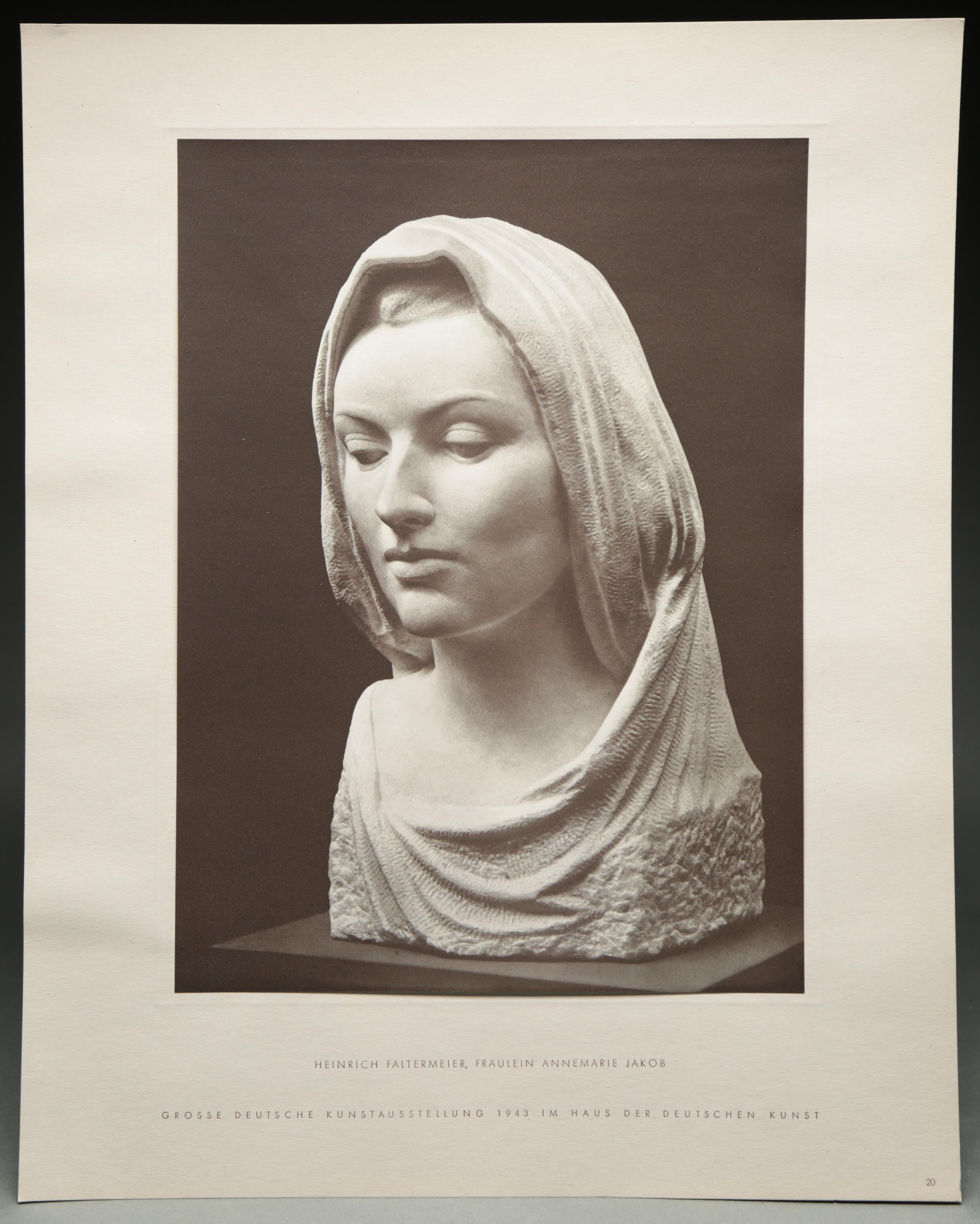
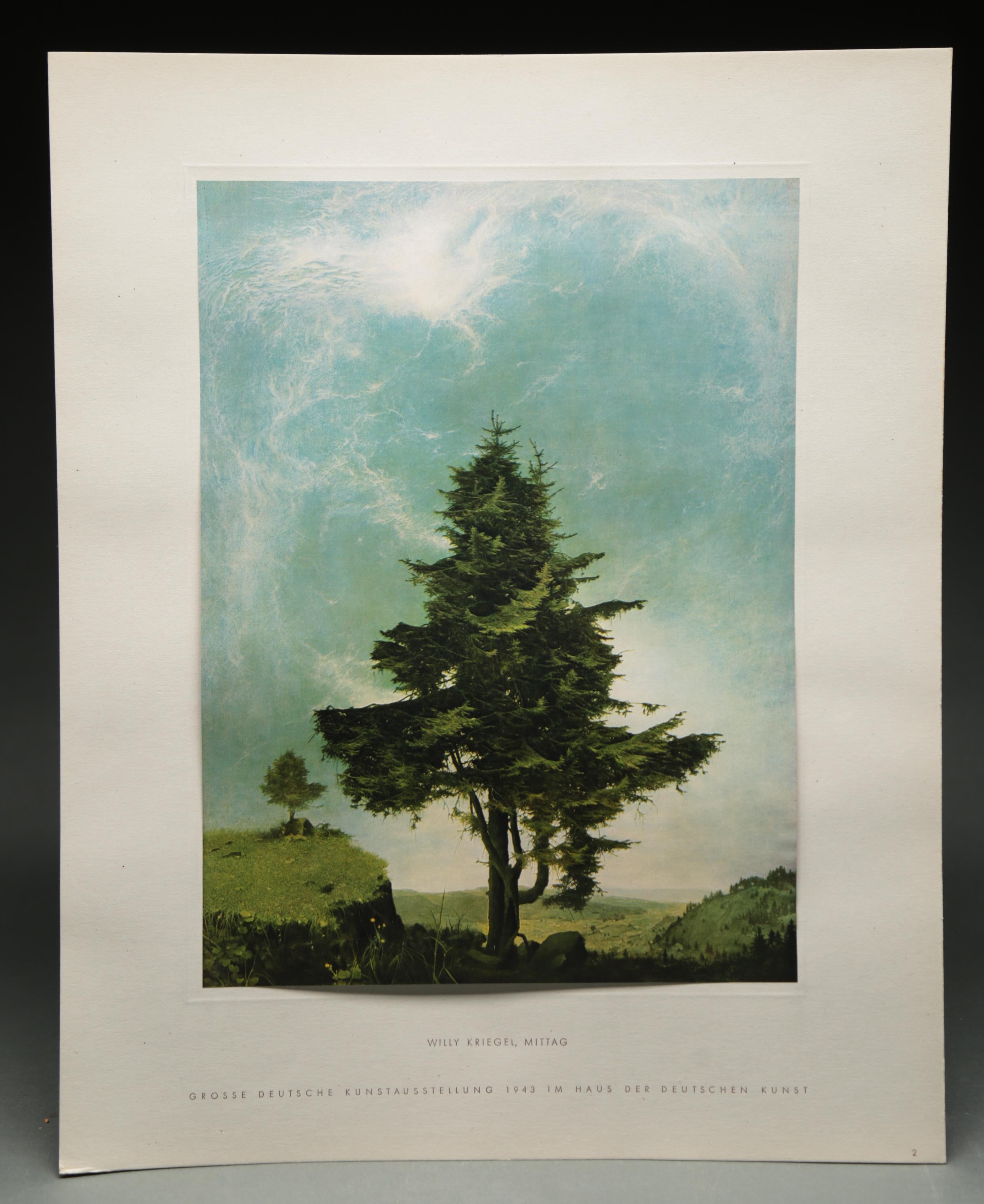
My favourite from the portfolio.
Darin, when you dive, you dive deep! Excellent article. Hoffmann would have been a rockstar had he served a different master. In the collection is there an equal amount of Allied content? What happened to all the work that was in the blessed museum after the war?
So fascinating that so much of Nazi art was geared toward propaganda yet could be quite beautiful. As a whole it came off as nationalistic but individually it could have come from anywhere. Thus the need for the portfolio.