
Don't Pay Heed To Temptation, For His Hands Are So Cold
You gotta help me keep the Devil, way down in the hole.

In the time that I have been on Substack, I don’t think that I have ever posted a, “Photobook Sunday” article.
Today, is a day for firsts.
Say hello to two books by Dr. Paul Wolff.
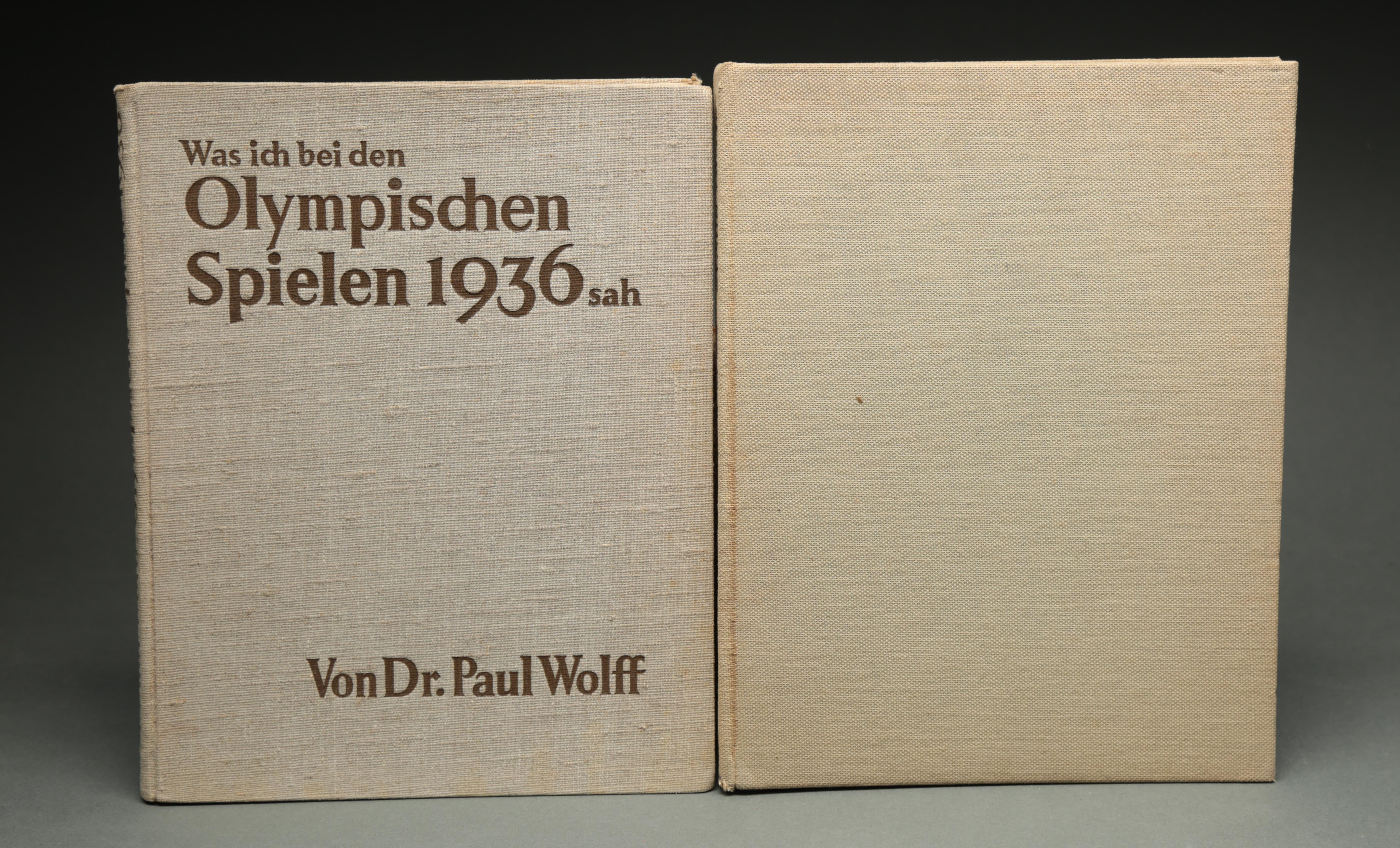
These two phonebooks are both (essentially) the same book, by the same shooter, Dr. Paul Wolff. The one on the left, was published, in 1936, in Germany. The book on the right, was published in 1937, in America. And, as I said, they are both the same book.
Both books are photo-essays of the 1936 Summer Olympics, held in Berlin. All of the photographs were taken by Dr. Wolff, and all of them were taken with a Leica camera. Dr. Paul Wolff, was possibly one of the most important Leica shooters of the 20th Century, and almost nobody knows him, today.
I know I didn’t.
There are several shots in these books that I recognized, they are well known shots from the Olympic Games, but I was not aware of aware of the photo-credit until just recently.
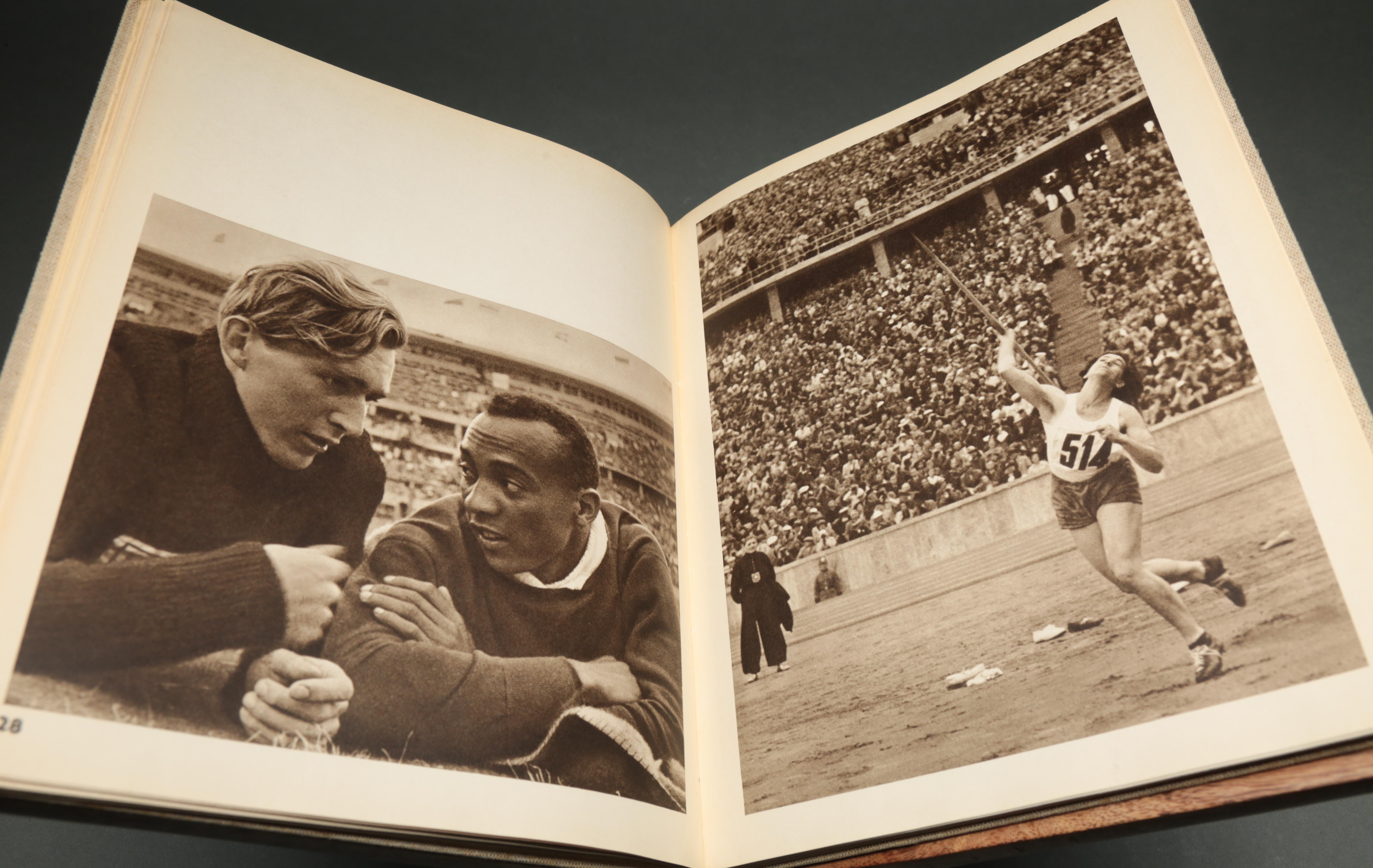
Here, is an example of a well-known shot of Dr. Wolff’’s. I am referring to the picture on the left. It features long jumper Luz Long, on the left, and Jesse Owens, on the right. Long, was Jesse’s strongest competition for the gold medal in the long jump. Owens and Long, both broke the Olympic record, on their way to the winner’s podium, with Luz coming in less than 10cm behind Owens’ gold medal effort. When Jesse won the gold, Luz was the first person to congratulate him, and give him a hug. I have read that Jesse and Luz remained close even after WWII was over. Dr. Wolff, was there to get that shot.
When we think of the most famous and influential Leica shooters of the pre-war era, I would suspect that most of us would name Henri Cartier-Bresson, as being on the top of the list, and we’d probably struggle to come up with the second place shooter. Had history turned out differently, Dr. Paul Wolff might have been on top.
His work with Leica was ground-breaking, and it was incredibly consistent. Along with HCB, Dr. Wolff was probably one of the most effective early adopters of Leica, and his work was specifically used by Leica to promote their new-fangled 35mm camera.
Dr. Wolff, had been a physician until just after WWI. He was barred from practicing medicine in 1919, and I have not been able to find any information as to why his license was revoked. I don’t know if he had been a physician in the military, or if he had been in practice as a civilian.
He was a self-trained photographer, and I believe that he was already a dedicated hobbyist when Leica released their first model. There are some sources that indicate that Dr. Wolff might have even been given one of the fabled Leica prototypes, prior to the official release. Regardless, he started taking great shots with his Leica, immediately.
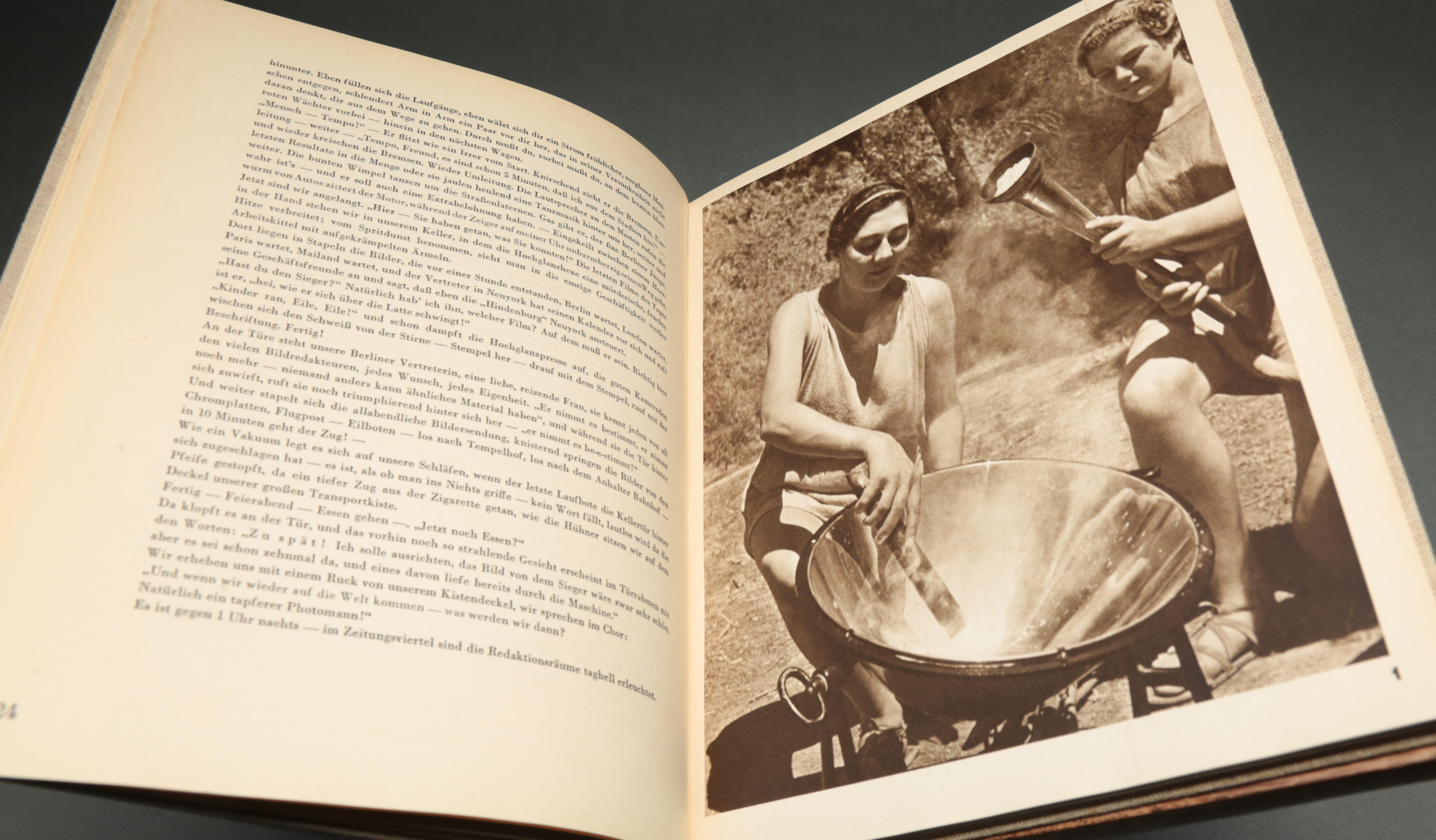
Dr. Wolff, was a prolific shooter. He was also on the forefront of writing about what he did, and how he did it. He had half a dozen books published before the war, with these two editions of the same book being just one example.
He developed his own film, and also did his own enlarging. He did such a good job doing both that Leica gave him the inside track to all of their newest gear. It seems that he was in regular contact with both Oskar Barnack, and Ernst Leitz II.
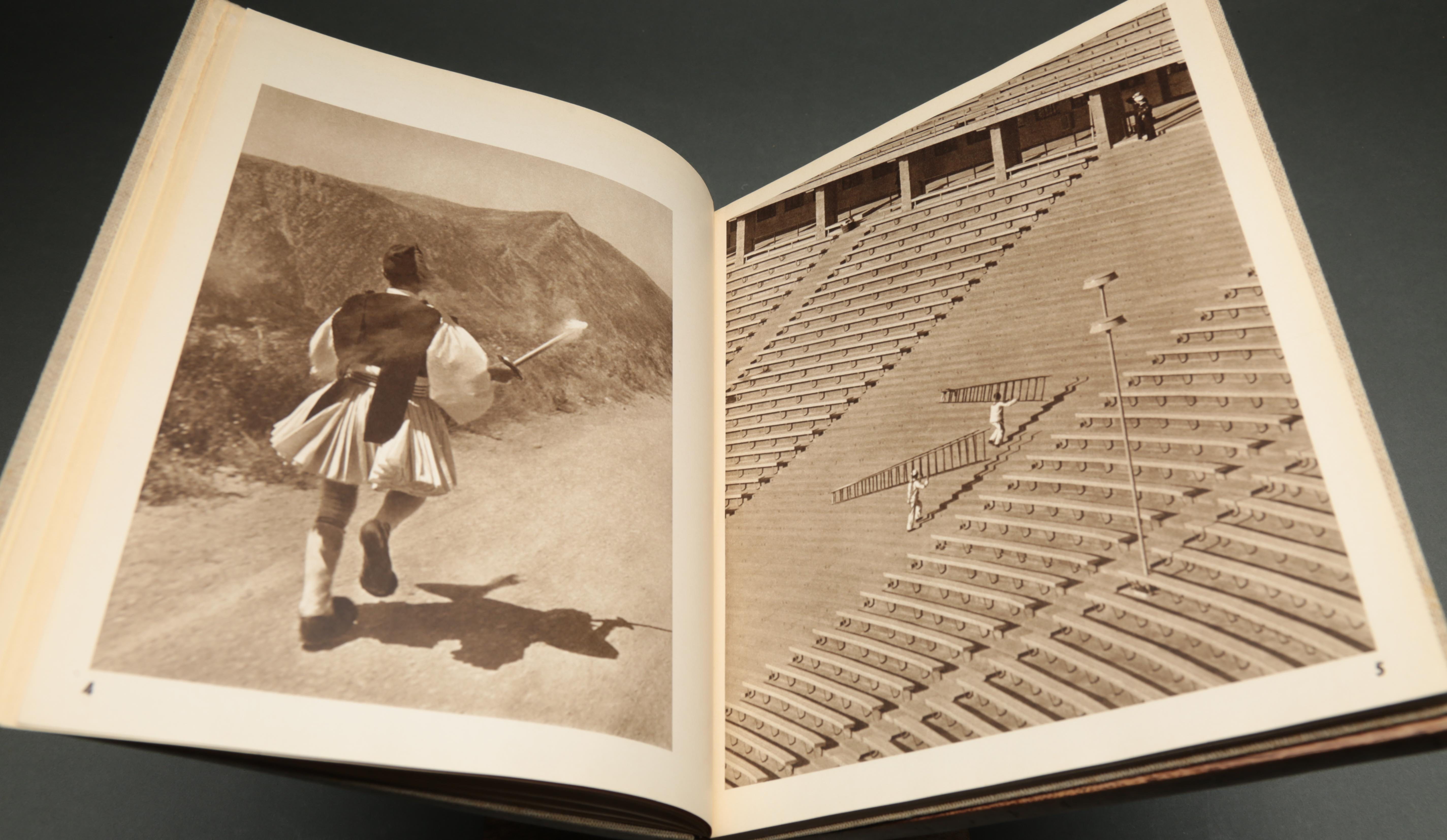
The German language version of this book was published by, Karl Specht, Berlin. The English language version, was published by William Morrow & Company, New York City. It was probably the case that Dr. Wolff, printed his own work, sent them to the publisher, and those prints were used in publishing the books. The prints would have been returned to Dr. Wolff when the book was finished. The fact that Dr. Wolff probably (personally) printed off the pictures that you see in this, and other books of his, is of historical interest because, these books are just about the only evidence of Dr. Wolff’s work in existence.
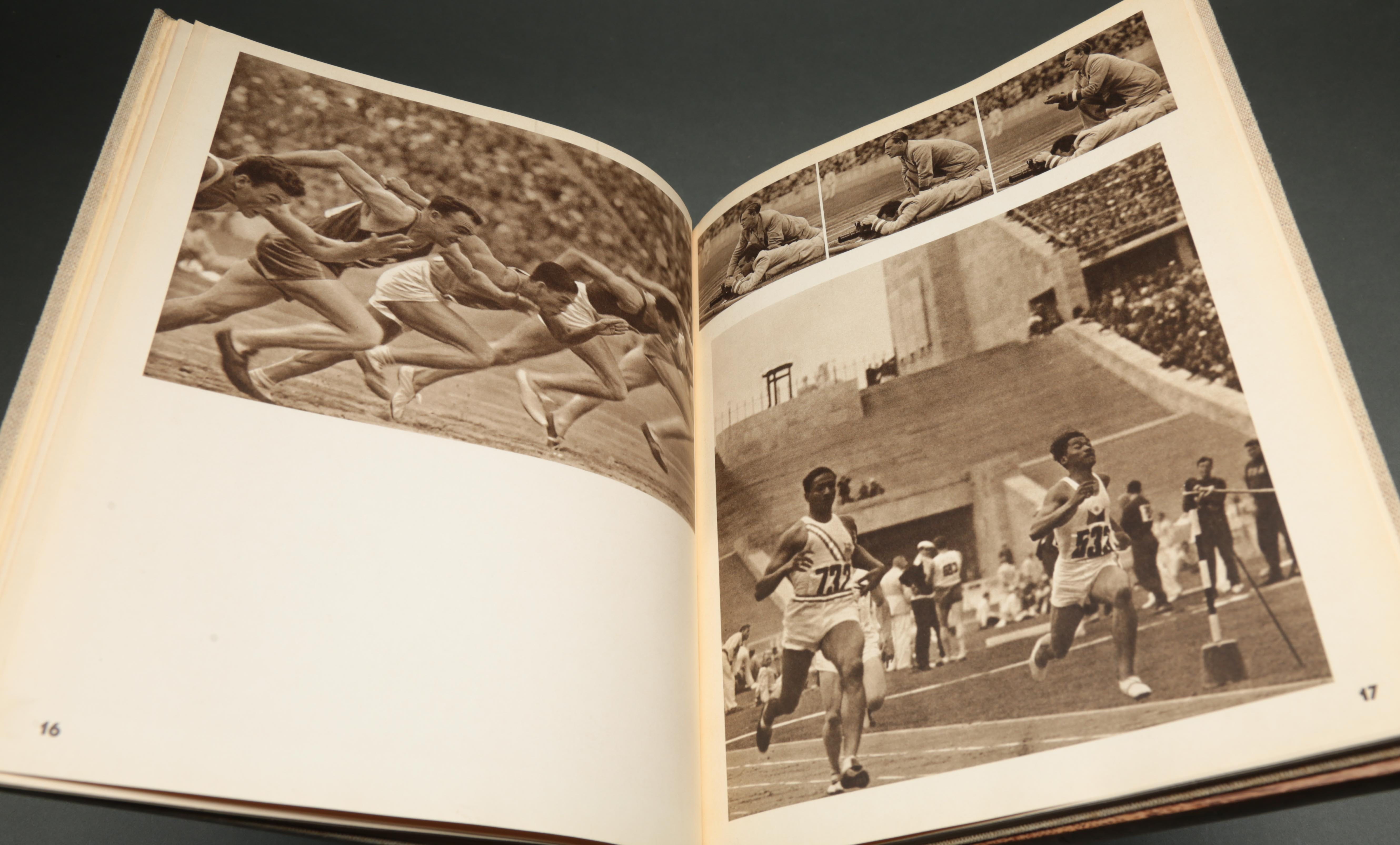
Dr. Wollf, Lived in Frankfurt. In 1944, his home was hit by Allied bombing. All of his thousands of negatives, his prints, his entire catalogue, was destroyed. Dr. Wolff died in 1951, atged 64/65.
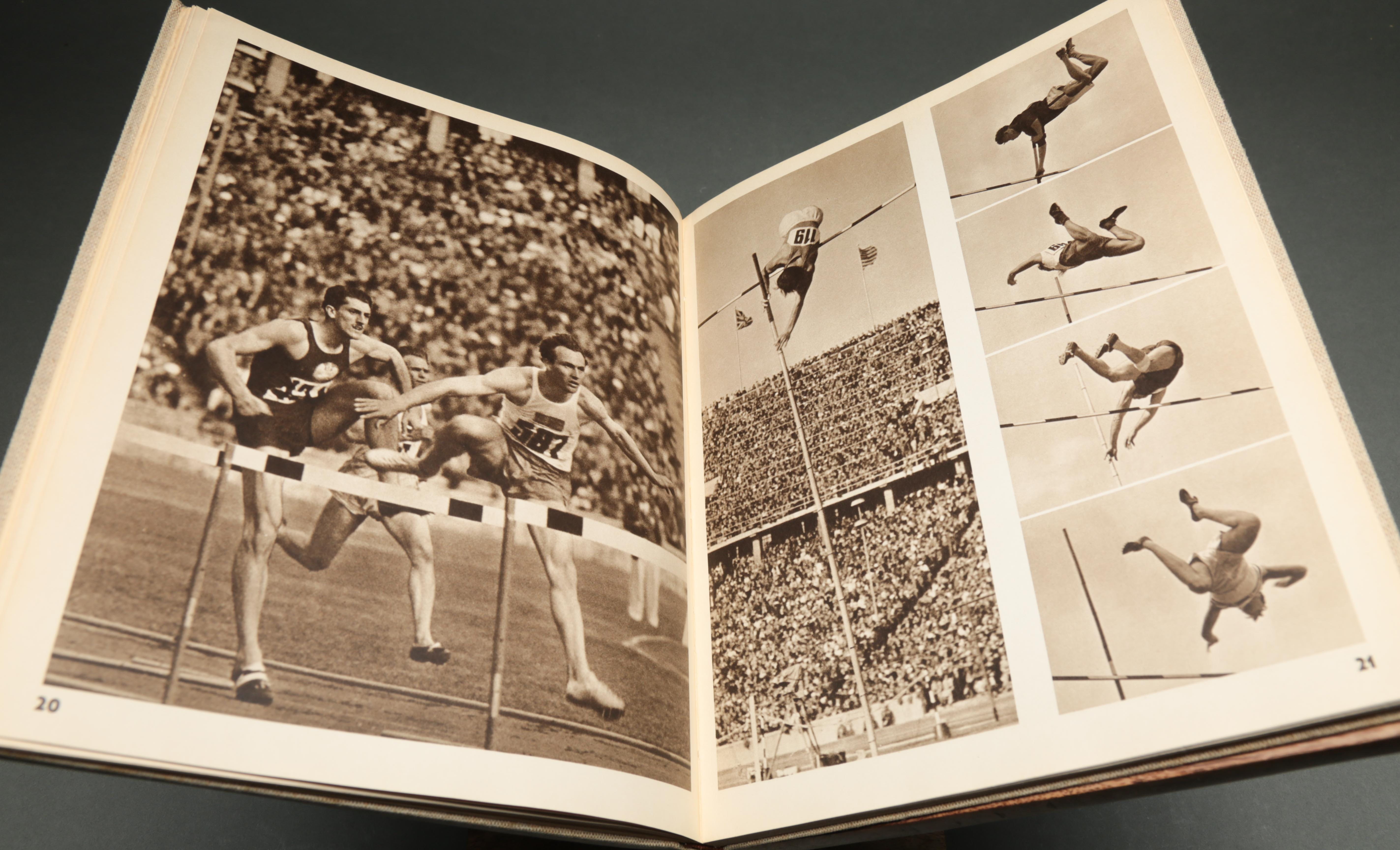
Prior to the Leica camera, most “Professional” photography was done with medium to large format cameras. Enlarging film negatives was (almost) unheard of. Most printed pictures were made through contact printing, and you needed the larger film size in order to easily see the printed picture; let’s face it, 35mm film is hard to appreciate when it has been contact printed.
Dr. Wolff, was so good at taking pictures with his 35mm Leica, and he was so good at printing those shots, and Leica was so effective at using his work to promote the new camera format, that the future of amateur photography was forever changed.
And yet, had you ever heard of Dr. Paul Wolff before today?
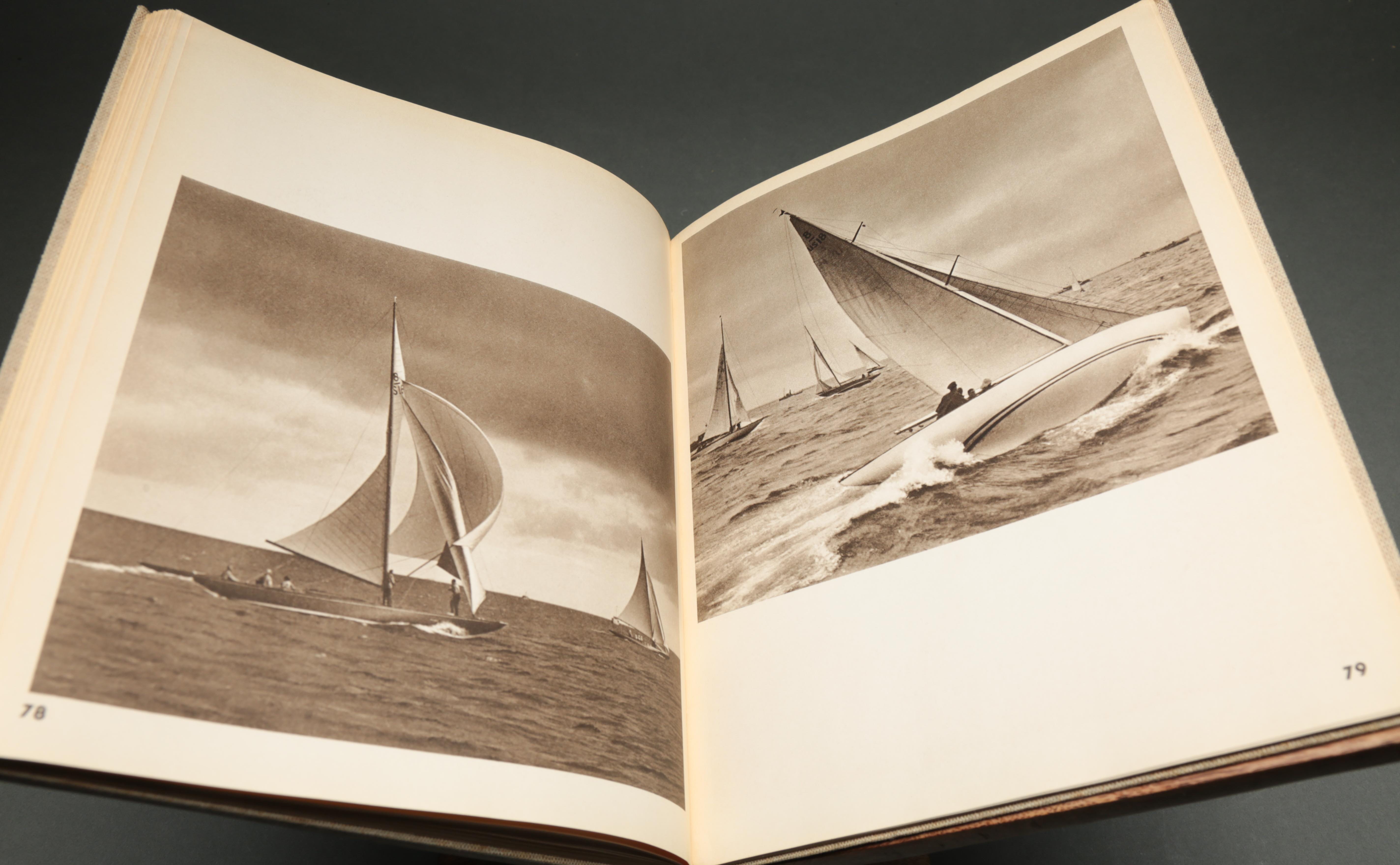
This, is my favourite spread in the whole series. I mean, DAMN!
The photo-spread below is my second favourite.
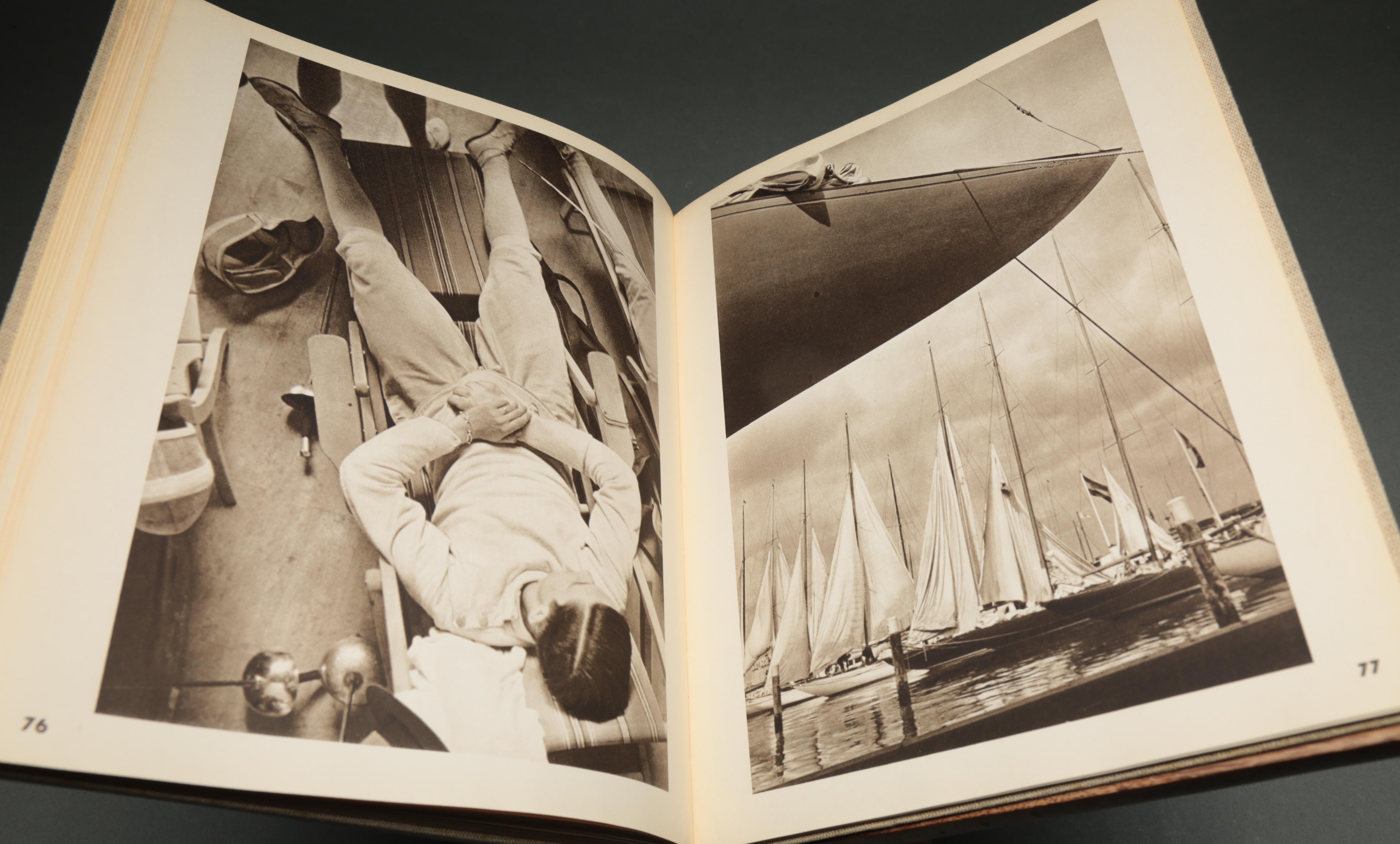
Dr. Wolff also shot commercial campaigns with his Leica - Opel, and Audi, being the two car campaigns that I have seen mentioned most frequently.
From 1925-26, until 1944, Dr. Paul Wolff, was one of the most influential shooters in Germany. I would say that before WWII, he was the leading Leica shooter in the world; certainly Leica rode him hard.
One bomb wiped out his entire body of work, and I can imagine that he was never the same shooter after the war. HCB, was savvy in saving his best work, and getting it through the war, and because of this, all shooters know Henri Cartier-Bresson. I can only imagine how we might look at Dr. Paul Wolff’s work, had it survived the war.
I have seen a few of his books over the years, but never this one! Were they in the huge estate you were photographing, and more importantly... did you bid, or otherwise manage to hang on to one, or both? Really good stuff! I searched for a print of his for years of the opening of the first autobahns in Germany. I will post it for you. But, these Olympic images are great, right up there with you know who... thank you for a great post, Darin!
PS: Wolff lost the right to practice medicine because he lived in Strasbourg - France after WW1 - and the French Govt would not let him practice, because he was a doctor in the German Army during WW1. I don't know if this applied to all of German extraction, but it did to him.
Wow, great essay, Darin! And it really makes you wonder if he would have been better known hadn’t he lost his entire archive. Thank you for shining a light on him. i personally love the last spread you’ve shared.